Give a Little Extra Attention to Your Respiratory Health This Winter
Written ByMousree DasSenior Content Writer (Expertise - Health and Travel Insurance)
Mousree Das
Senior Content Writer (Expertise - Health and Travel Insurance)
Mousree Das is a Senior Content Writer with a focused expertise in Health Insurance and Travel Insurance. She entered the insurance space in 2022 and has since built over 4 years of UAE industry experience. She makes the intimidating world of insurance easier to understand - from guiding first-time insurance buyers to helping policyholders strengthen their financial plans, because protecting yourself and your loved ones is not a choice, it's a priority. A travel enthusiast at heart, she believes travel should be joyful, not something shadowed by worry. Mousree looks forward to being your trusted guide toward smarter, safer choices.
Reviewed ByToshita ChauhanBusiness Head - General Insurance
Toshita Chauhan
Business Head - General Insurance
Driving growth, partnerships, and digital distribution across the UAE’s insurance landscape. Focused on scaling B2C channels, building high-impact teams, and unlocking value through data-led strategy and product innovation. Passionate about transforming legacy insurance with tech, speed, and customer obsession.
Information on this page is for general guidance only - not personalised financial or medical advice.
Health Insurance UAE Plans
Full Access
Dubai Insurance
Plan NameValue N4 (Remnto)
Medical Cover (AED)250,000
Starting FromAED 2,114/Yearly
NetworkDubai Care
Full Access
Cigna
Plan NameHealthguard Regional
Medical Cover (AED)2,750,000
Starting FromAED 11,634/Yearly
NetworkGeneral
Full Access
GIG Gulf (Previously AXA)
Plan NameGlobal
Medical Cover (AED)7,500,000
NetworkIn-house A1
GP Clinic
Takaful Emarat
Plan NameECARE BLUE
Medical Cover (AED)150,000
Starting FromAED 1,209/Yearly
NetworkE CARE Blue
Specialist Clinic
Orient Takaful Insurance
Plan NamePlan 5
Medical Cover (AED)1,000,000
Starting FromAED 1,561/Yearly
NetworkNEXTCARE RN3
Specialist Clinic
RAK Insurance
Plan NameNextcare RN3
Medical Cover (AED)1,000,000
Starting FromAED 1,617/Yearly
NetworkNEXTCARE RN3
Specialist Clinic
Orient Insurance
Plan NameHealth Plus - Plan 5
Medical Cover (AED)1,000,000
Starting FromAED 1,617/Yearly
NetworkNEXTCARE RN3
Specialist Clinic
Adamjee
Plan NameNAS WN
Medical Cover (AED)1,000,000
Starting FromAED 2,509/Yearly
NetworkNAS – WN (OP restricted to Clinics)
Full Access
Sukoon Bupa
Plan NameSelect
Medical Cover (AED)6,239,000
Starting FromAED 14,967/Yearly
NetworkPremium Network
Plans shown as per selected filters. T&Cs apply
Plans shown as per selected filters. T&Cs apply
Polluted air and climate change are ghastly realities staring us back in the eye. Add a hefty dose of the winter season to it and you will have yourself a set of dreary days when even the simplest things like breathing can become difficult. If you suffer from chronic respiratory problems like asthma, things can get even worse for you. It becomes our priority to take extra good care of our lungs in a situation like this. While great in number, the things you can do to ensure good respiratory health for you and your family are quite easy. You need to be thorough and take all the necessary precautions to avoid any major or minor respiratory problems this winter season. Let’s cover all that you should know about respiratory problems in winters and how you can steer clear of them.
What are the Potential Threats?
Triggers are the sole major reason for most respiratory problems. Two people could be suffering from asthma, but one would be more sensitive to cold weather while the other would develop symptoms on hot and humid days. The first thing you can do to prevent any respiratory problems is to recognise all the potential threats the winter season comes with and see what triggers your lungs the most. Some of the most common respiratory triggers you can look for this season are:
Seasonal Allergens: If someone is prone to having breathing problems in the winter, seasonal allergies are probably the biggest threat they need to watch out for. Make sure that you are vaccinated for flu and other prominent diseases in your region and also follow safety practices to ensure you do not catch infections from others.
Smog: When winter fog combines with smoke particles present in the air, it creates smog. The smog not only creates vision hazards but also proves to be rather dangerous for our lungs. Since fog weighs the pollutants down and brings them closer to the surface, we are at greater danger of inhaling them.
Air Pollutants: This needs no introduction – air pollutants are the worst enemy of our lungs. Air pollutants have the power to not only penetrate our lungs but also affect our circulatory system and the brain itself. A major part of deaths by stroke and lung cancer is due to the impact of air pollutants on the deceased patient.
Smoke: Toxic gases that release from vehicles with conventional engines and factories come together to create a very harmful sheet of smoke that may lead to diseases like lung cancer, heart attack and more. Of course, the most commonly affected body parts here are the lungs.
Dust Particles: While dust particles are not necessarily as bad for our lungs as smoke or air pollution, they can still cause a lot of discomfort and breathing problems. This is common among people with dust allergies.
How Does Winter Season Increase Respiratory Problems?
Several reasons apply to the increased spread of diseases and infections in the winter season. The most important one is the presence of cold air. Cold air reduces the production of mucus in our nasal cavity. Mucus traps the disease-causing microbes and passes them out of the body through the stomach. Lesser mucus in the nasal cavity makes us more prone to inhaling disease-causing microbes and gives them a direct passage into our respiratory system. In addition to that, people prefer staying indoors in winters. Homes are not as ventilated in winters as they are in the summer season. Improper ventilation reduces air quality in the house and can hence lead to more infections. That is why additional levels of care and precautions must be taken in the winter season to prevent illnesses and diseases.
Some Tips for Better Respiratory Health
In light of all the potential threats you may be facing come this winter season, we have prepared a rather inclusive list of all the things you can do to make sure you stay safe and healthy. Given below are the things you should take care of this winter season:
Quit Smoking
First and foremost, try and quit smoking. While it is easier said than done, smoking increases your chances of developing respiratory problems several folds. Smoking itself is harmful enough. Add the damages done by smog, dust, air pollution and cold winter air to it, and you will have an extremely hazardous recipe. It may feel rather difficult at first, but try and quit smoking slowly and for good, regardless of the season. Even if smoking poses more danger to your health in combination with the winter season, it is harmful enough on its own without any seasonal support. If you smoke generally, chances are that your lung cavity is already weak enough. Hence, you will need to take extra care of yourself no matter the season or situation. As a final lesson, try to quit smoking forever.
Get an Air Purifier
If the air quality in your region is especially bad, consider getting an air purifier for your home and workspace. Areas with bad air quality can even spread this havoc to the insides of your home. This means avoiding going out won’t be enough to protect your respiratory health. Measure the area of the rooms in your home and get an air purifier good enough to cover the whole house ideally. Also, keep ventilating the house from time to time. This will ensure good air quality without pollutants and germs roaming in your home.
Steer Clear of Outdoor Pollutants
You cannot completely avoid going outside of your home even if the winters are exceptionally harsh this time. However, you can do a few things to make sure that you do not get affected by the polluted, harmful, cold winter air when you are out. Wear a mask when you step outside. This will not only keep you safe from the flu virus and other microbes but also ensure you don’t breathe in a lot of hazardous pollutants. Try and avoid outside workouts during winters. Your respiratory system is the most vulnerable to catching diseases when you are exercising since you take a lot of deep breaths.
Do Not Forget the Indoor Hazards
Exercise the same precautions by using masks and other protective gear indoors if you work in places with potential air hazards. If you work in a factory or a workshop where the production process produces fumes or some kind of harmful gas, make sure you wear the prescribed protective gear properly at all times. While you are at it, get some radon test kits and run a test on your home. Make necessary arrangements to ensure that you do not fall ill due to an alien element in your house itself.
Get Vaccinated
Make sure that you have taken your flu shots and other necessary vaccines as per the environmental conditions in your area. Vaccination is one of the most important steps when prevention is concerned. Talk to your healthcare provider and your primary care physician to find out what necessary vaccines you should take to prevent winter infections. Take the prescribed doses as directed by the doctor.
Start Exercising
While outdoor activities should be limited in the winter season, getting exercise indoors will ensure that your immune system stays strong enough to tackle infections. Exercising 2-3 times every week for an hour or two should be enough to keep your body in an optimal state. You can try your hand at different forms of physical exercise like weightlifting, cross-fit, yoga, etc. If you want to try something different, playing a physical sport or taking up martial arts can be a good choice. Try to add some breathing exercises to your workout regimen to keep your lungs in good health.
Keep Track of the Air Quality in Your Area
Check the air quality index of your region or the regions you travel to most regularly. If you can, avoid going out on days that have poor air quality. If you have to step out for work or other important reasons on a bad air quality day, make sure you wear your mask properly and avoid areas with heavy traffic.
Dress in Cold-Appropriate Clothes
This goes without saying – do not take dressing up for the winters lightly. Take out your overcoats, big woollen jackets, warm socks and set the record straight for winter dressing. Staying protected from the cold breeze is also important, so take a scarf or muffler with you when you step out. While staying on par with the current fashion trends is important, maintaining a good enough protective layer of clothes is even more important.
Stay Hydrated and Eat Healthy
Even if you do not feel especially thirsty in the winters, you must drink enough fluids to stay hydrated. Dehydration can cause a lot of health issues, even more so in a season that makes us more prone to falling ill. In addition to staying hydrated, ensure that you keep your meals ideally balanced with all the necessary nutrients. Having a balanced diet is the first step you need to take in order to stay in good health. Add enough fibre, protein, vitamins and minerals to your diet. Taking healthy fats in winters can also serve you in the best possible way. Avoid crash dieting or anything too severe and stay on a moderate diet throughout the season to maintain good immunity.
Don’t Shy Away from Doctor Consultations
If you feel discomfort or have difficulty breathing for a while, go and see a doctor immediately. Do not wait for things to get worse; take action when you can have the problem cured in its early stages itself. Visit your primary care physician if you have trouble breathing consistently. Ensure that this is not because of an underlying condition and take the necessary steps to improve your lung health as prescribed by your doctor. If your breathing problems are because of an infection, start your medicines to control it in the early stages.
Keep Up with Your Routine Check-ups
Do not miss out on your routine health check-ups, especially if your respiratory problems tend to get triggered in winters. Get yourself tested as soon as the winter season arrives and see if everything is okay. Also, try and get an allergy test done to find out if you have developed any new allergies. ‘Prevention is better than cure’ is not just a smart saying; it actually works very well when practised religiously. So, make sure that you keep a good track of your health issues before they turn into something major, requiring medical attention or hospitalisation.
In a Nutshell
Respiratory health should always be your priority, regardless of the season or weather. Prevention and precautions should always be taken. And to make things easier for you, ensuring good health for your lungs is nothing but following a few routine guidelines. Wearing a face mask in polluted places, wearing warm clothes, eating and drinking healthy and exercising are a few things you need to do here. Also, if you smoke, use this opportunity to quit smoking and open ways for a better, healthier you.
Last Updated : 19 Aug 2026Philippines Temporary Visit Visa (9a) for UAE ResidentsThe Philippines 9(a) visa covers stays over 30 days. See document requirements by visit purpose, how to apply from the UAE, and the rules for extending a stay.
Last Updated : 05 Aug 2026Buy Insurance in Installments UAE | 0% Interest via TabbySplit your health insurance premium into 4 monthly payments at 0% interest with Tabby. No minimum premium. Coverage starts day one. Available at Policybazaar.ae.
Last Updated : 09 Jun 2026How to Boost Immunity in Children Naturally | UAEBoost your child's immunity naturally with proper sleep, balanced diet, daily exercise, and timely vaccinations - no supplements needed in most cases.
Last Updated : 09 Jun 2026Digital Detox: Why Your Brain Needs a Break from ScreensDigital detox is a regular break from screens that reduces stress, improves sleep quality, and boosts productivity. Learn the signs you need one and how to start.
Last Updated : 08 Jun 2026PCOS Officially Renamed PMOS – What It Means for WomenPCOS is now officially PMOS – Polyendocrine Metabolic Ovarian Syndrome. Learn what this landmark 2026 name change means for 170 million women worldwide.
Last Updated : 03 Jun 202620-Minute Workouts for Busy Professionals | Stay Fit Fast4 proven 20-minute workout routines for busy professionals. HIIT, strength, office-friendly & fat-burning cardio — stay fit without long gym sessions.
Last Updated : 17 Aug 2026How to Check Medical Insurance Status with Emirates ID | UAEEmiratis will now be able to use their Emirates ID cards not only to go through immigration gates at the airport but to avail of medical services in the UAE.
Last Updated : 10 Jul 2026Best Health Insurance Companies in Dubai, UAE 2026Find the Top 10+ Health Insurance Companies in Dubai, UAE Offering Comprehensive Health Insurance Coverage and Exceptional Services at Affordable Prices.
Last Updated : 26 May 2026How to Check the Status of Your Health Insurance Online?The easiest way to get familiar with your plan details or check the active status is to do it online. Let’s figure out how to check if your health insurance plan is active online.
Last Updated : 08 Jan 2026Dental Insurance UAE: Dental Insurance Types, Coverage & BenefitsDental Insurance UAE: Know All about Dental Insurance, Types, Coverage & Benefits. Dental Insurance Covering Most of the Dental Treatments, You can Drop off Your Worries About Costly Therapies.
Last Updated : 11 Feb 2026Can You Buy Health Insurance for New Born Baby in UAE?Don't know whether you can buy medical insurance for new born baby in UAE? In this article we’ll share everything you need to know about health insurance for newborn baby.
Last Updated : 27 Nov 2025Where Can I Get Medical Help Without Having Health Insurance in UAE?Not everyone in the UAE can afford to buy a health insurance policy to avail of quality medical care benefits. To help out such people, we have listed here a few places and ways of getting medical help.

.webp)



 Reviews


 Information on this page is for general guidance only - not personalised financial or medical advice.











.png)
















.webp) Last Updated : 19 Aug 2026Philippines Temporary Visit Visa (9a) for UAE ResidentsThe Philippines 9(a) visa covers stays over 30 days. See document requirements by visit purpose, how to apply from the UAE, and the rules for extending a stay.
Last Updated : 19 Aug 2026Philippines Temporary Visit Visa (9a) for UAE ResidentsThe Philippines 9(a) visa covers stays over 30 days. See document requirements by visit purpose, how to apply from the UAE, and the rules for extending a stay. Last Updated : 05 Aug 2026Buy Insurance in Installments UAE | 0% Interest via TabbySplit your health insurance premium into 4 monthly payments at 0% interest with Tabby. No minimum premium. Coverage starts day one. Available at Policybazaar.ae.
 Last Updated : 09 Jun 2026How to Boost Immunity in Children Naturally | UAEBoost your child's immunity naturally with proper sleep, balanced diet, daily exercise, and timely vaccinations - no supplements needed in most cases.
 Last Updated : 09 Jun 2026Digital Detox: Why Your Brain Needs a Break from ScreensDigital detox is a regular break from screens that reduces stress, improves sleep quality, and boosts productivity. Learn the signs you need one and how to start.
 Last Updated : 08 Jun 2026PCOS Officially Renamed PMOS – What It Means for WomenPCOS is now officially PMOS – Polyendocrine Metabolic Ovarian Syndrome. Learn what this landmark 2026 name change means for 170 million women worldwide.
-(2)-(2).webp) Last Updated : 03 Jun 202620-Minute Workouts for Busy Professionals | Stay Fit Fast4 proven 20-minute workout routines for busy professionals. HIIT, strength, office-friendly & fat-burning cardio — stay fit without long gym sessions.
Last Updated : 03 Jun 202620-Minute Workouts for Busy Professionals | Stay Fit Fast4 proven 20-minute workout routines for busy professionals. HIIT, strength, office-friendly & fat-burning cardio — stay fit without long gym sessions. Last Updated : 17 Aug 2026How to Check Medical Insurance Status with Emirates ID | UAEEmiratis will now be able to use their Emirates ID cards not only to go through immigration gates at the airport but to avail of medical services in the UAE.
 Last Updated : 10 Jul 2026Best Health Insurance Companies in Dubai, UAE 2026Find the Top 10+ Health Insurance Companies in Dubai, UAE Offering Comprehensive Health Insurance Coverage and Exceptional Services at Affordable Prices.
 Last Updated : 26 May 2026How to Check the Status of Your Health Insurance Online?The easiest way to get familiar with your plan details or check the active status is to do it online. Let’s figure out how to check if your health insurance plan is active online.
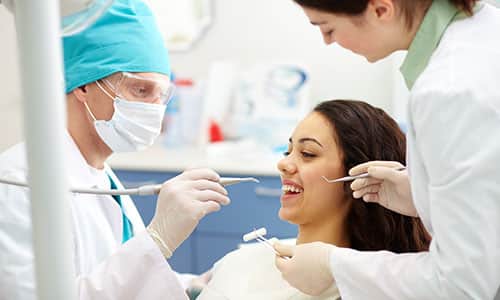 Last Updated : 08 Jan 2026Dental Insurance UAE: Dental Insurance Types, Coverage & BenefitsDental Insurance UAE: Know All about Dental Insurance, Types, Coverage & Benefits. Dental Insurance Covering Most of the Dental Treatments, You can Drop off Your Worries About Costly Therapies.
 Last Updated : 11 Feb 2026Can You Buy Health Insurance for New Born Baby in UAE?Don't know whether you can buy medical insurance for new born baby in UAE? In this article we’ll share everything you need to know about health insurance for newborn baby.
 Last Updated : 27 Nov 2025Where Can I Get Medical Help Without Having Health Insurance in UAE?Not everyone in the UAE can afford to buy a health insurance policy to avail of quality medical care benefits. To help out such people, we have listed here a few places and ways of getting medical help.




 Google Reviews