Polio - Causes, Symptoms & Treatment
Polio, short for poliomyelitis, is a viral disease that primarily targets nerve cells in the spinal cord and brainstem, potentially leading to severe complications such as paralysis and death.read more
.webp)

AED 1 million Health cover starting @4/Day


4.7/5
46,158
 Reviews
Trusted Customers
Insurance Partners
Policies Sold

 Mousree Das


 Information on this page is for general guidance only - not personalised financial or medical advice.
The disease, also known as infantile paralysis, was once a major global health concern, owing to its widespread outbreaks and severe impact in several cases. However, thanks to significant vaccination efforts, polio has been largely controlled and eradicated in many parts of the world.
In this comprehensive article, we will delve into the causes, symptoms, prevention, and ongoing efforts to eliminate polio.
Disclaimer: The information presented in this article is for informational purposes only. It is not meant to be a substitute for professional medical advice.
Understanding Poliovirus
Polio is caused by the poliovirus, a highly contagious virus that primarily spreads through faecal-oral transmission and respiratory droplets. The virus, as mentioned earlier, targets the nerve cells in the spinal cord and brainstem, leading to inflammation and potential paralysis.
The severity of the disease varies, with some individuals remaining asymptomatic while others experience a range of symptoms.

Symptoms of Polio
The symptoms of polio can vary widely based on the severity of the infection -
- Abortive Polio: This mild form of the disease affects around 5% of those infected. Symptoms resemble a flu-like illness and include fever, sore throat, muscle aches, nausea, stomachache, headache, loss of appetite, and vomiting. These symptoms typically last for about 2 to 3 days.
- Nonparalytic Polio: This refers to a more severe manifestation, affecting roughly 1% of the infected individuals. Individuals with nonparalytic polio experience more intense flu-like symptoms along with neck pain or stiffness, severe headaches, and stiffness in legs and arms. A secondary phase of symptoms might follow, including spinal stiffness, decreased reflexes, and muscle weakness.
- Paralytic Polio: The most severe and rarest form of the disease, paralytic polio starts similarly to nonparalytic polio but can quickly progress to the severe stage. It includes symptoms like intense pain, tingling sensations, muscle spasms, heightened sensitivity to touch, and eventual muscle weakness that can lead to paralysis. This paralysis can affect any combination of limbs, although one-leg paralysis is the most common.

More From Health Insurance
- Recent Articles
- Popular Articles
.webp) Last Updated : 19 Aug 2026Philippines Temporary Visit Visa (9a) for UAE ResidentsThe Philippines 9(a) visa covers stays over 30 days. See document requirements by visit purpose, how to apply from the UAE, and the rules for extending a stay.
Last Updated : 19 Aug 2026Philippines Temporary Visit Visa (9a) for UAE ResidentsThe Philippines 9(a) visa covers stays over 30 days. See document requirements by visit purpose, how to apply from the UAE, and the rules for extending a stay. Last Updated : 17 Sep 2026Buy Insurance in Installments UAE | 0% Interest via TabbySplit your health insurance premium into 4 monthly payments at 0% interest with Tabby. No minimum premium. Coverage starts day one. Available at Policybazaar.ae.
 Last Updated : 16 Oct 2026How to Boost Immunity in Children Naturally | UAEBoost your child's immunity naturally with proper sleep, balanced diet, daily exercise, and timely vaccinations - no supplements needed in most cases.
 Last Updated : 09 Jun 2026Digital Detox: Why Your Brain Needs a Break from ScreensDigital detox is a regular break from screens that reduces stress, improves sleep quality, and boosts productivity. Learn the signs you need one and how to start.
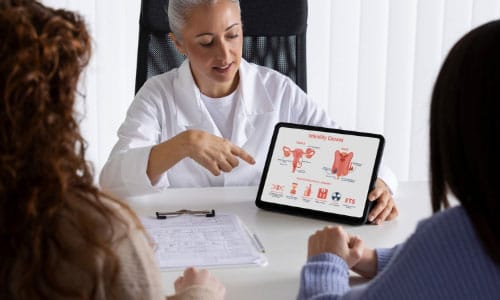 Last Updated : 08 Jun 2026PCOS Officially Renamed PMOS – What It Means for WomenPCOS is now officially PMOS – Polyendocrine Metabolic Ovarian Syndrome. Learn what this landmark 2026 name change means for 170 million women worldwide.
-(2)-(2).webp) Last Updated : 03 Jun 202620-Minute Workouts for Busy Professionals | Stay Fit Fast4 proven 20-minute workout routines for busy professionals. HIIT, strength, office-friendly & fat-burning cardio — stay fit without long gym sessions.
Last Updated : 03 Jun 202620-Minute Workouts for Busy Professionals | Stay Fit Fast4 proven 20-minute workout routines for busy professionals. HIIT, strength, office-friendly & fat-burning cardio — stay fit without long gym sessions.
 Last Updated : 22 Sep 2026How to Check Medical Insurance Status with Emirates ID | UAECheck your UAE medical insurance status instantly using your Emirates ID — via DHA, DOH/TAMM, MOHAP, or your insurer's portal. Step-by-step guide, updated 2026.
 Last Updated : 17 Sep 2026Best Health Insurance Companies in Dubai, UAE 2026Find the Top 10+ Health Insurance Companies in Dubai, UAE Offering Comprehensive Health Insurance Coverage and Exceptional Services at Affordable Prices.
 Last Updated : 26 May 2026How to Check the Status of Your Health Insurance Online?The easiest way to get familiar with your plan details or check the active status is to do it online. Let’s figure out how to check if your health insurance plan is active online.
 Last Updated : 08 Jan 2026Dental Insurance UAE: Dental Insurance Types, Coverage & BenefitsDental Insurance UAE: Know All about Dental Insurance, Types, Coverage & Benefits. Dental Insurance Covering Most of the Dental Treatments, You can Drop off Your Worries About Costly Therapies.
 Last Updated : 11 Feb 2026Can You Buy Health Insurance for New Born Baby in UAE?Don't know whether you can buy medical insurance for new born baby in UAE? In this article we’ll share everything you need to know about health insurance for newborn baby.
 Last Updated : 27 Nov 2025Where Can I Get Medical Help Without Having Health Insurance in UAE?Not everyone in the UAE can afford to buy a health insurance policy to avail of quality medical care benefits. To help out such people, we have listed here a few places and ways of getting medical help.




 Google Reviews