Can Employers Refuse Maternity Leave in the UAE?

Get Cover At Less Than AED 2*
4.7/5
44,090
 Reviews
35+
Insurance Partners
2 Million+
Trusted Customers
1 Million+
Policies Sold

Instant Issuance

Personalised Expert advice

Guaranteed Low prices

Dedicated Teams for express Claims



More From Group Health Insurance
- Recent Articles
- Popular Articles
 Last Updated : 10 Aug 2026Business Health & Medical Insurance in Dubai, UAE | Policybazaar.aeFind the best business health insurance in Dubai with Policybazaar.ae. Compare & buy business medical insurance online in the UAE from top insurers. Get instant quotes today!
 Last Updated : 10 Aug 2026Sukoon Group Health vs Fidelity United | Which is Better in UAE?Compare Sukoon vs Fidelity United group health insurance in UAE. Explore coverage, benefits, costs, and choose the best plan for your employees.
 Last Updated : 29 Jun 2026Group Health Insurance in Abu Dhabi | Compare & Buy OnlineLooking for group health insurance in Abu Dhabi? Compare benefits, get instant quotes, and buy corporate medical insurance online.
 Last Updated : 29 Jun 2026Corporate Wellness Programs in UAE: Programs & BenefitsDiscover Corporate Wellness Programs in UAE and explore their benefits. Improve employee health, productivity & workplace culture with tailored wellness solutions.
 Last Updated : 29 Jun 2026How to Switch from Group Health Insurance to Individual Cover?Switching from group health insurance to individual coverage? Discover key insights, tips, and steps to make a smooth and informed transition.
 Last Updated : 29 Jun 2026Group Health Insurance vs Family Floater Insurance: Which One Should You Choose?Group vs Family Floater Health Insurance—learn the pros, cons, and which policy works best for your healthcare and financial needs.
 Last Updated : 29 Jun 2026How to Choose Health Insurance for Small Businesses in the UAELearn how to choose the right health insurance for your small business in the UAE. Compare coverage, costs, employee benefits, and key factors before buying.
 Last Updated : 29 Jun 2026Group Health Insurance and Pre-Existing Conditions: What You Need to KnowDiscover essential information on group health insurance and how it affects pre-existing conditions. Stay informed to make the best choices for your group health coverage.
 Last Updated : 29 Jun 2026Enaya Program — A Complete Health Insurance Scheme for Government Employees and CitizensExplore the Enaya Program, a complete health insurance solution tailored for government employees and citizens, providing essential healthcare coverage and support.
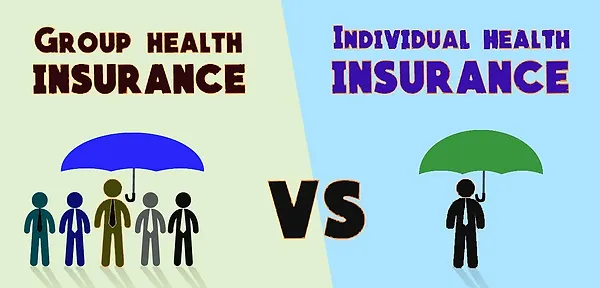 Last Updated : 11 Sep 2026Group Health Insurance vs Individual Health Insurance: What’s the Difference?Compare group health insurance vs individual health insurance. Learn the key differences in cost, coverage, benefits, and eligibility to choose the right plan.
 Last Updated : 29 Jun 2026Medical Insurance for Employees in UAE: What Employers Need to Know in 2026Compare top employee health insurance UAE plans. Get insights on employee medical insurance, coverage benefits, and health insurance for staff.
 Last Updated : 26 Jun 20256 Things to Consider When Buying Group Insurance Plan in UAE Discover 6 essential tips for buying a group insurance plan in the UAE. Ensure optimal coverage, affordability, and benefits for your employees. Read our guide now!




 Google Reviews