What is the 8-4-3 Rule in Mutual Funds
Investing in mutual funds can be a smart way to grow your wealth, but knowing how to balance risk and returns is the key.

4.7/5
41,800
 Reviews
Central Bank UAE Registration No.: - 123
Insurance Partners
Trusted Customers
Policies Sold

Get AED 1 Million Returns*


The 8-4-3 rule investment is a simple approach that helps investors allocate their money wisely to maximise returns while managing risks. Let’s break it down step by step with clear examples relevant to investment in UAE.
Best Investment Plans in UAE
Some of the best Investment quotes in UAE & Dubai are:




What is the 8-4-3 Rule in Mutual Funds?
The 8-4-3 rule explains how long-term investing and compounding can accelerate wealth growth over time. It breaks investment growth into 3 phases —
- Steady Growth (1-8 Years): Your investment grows consistently at an assumed annual return. While progress may be slow initially, regular contributions and reinvestment set the foundation for the future gains.
- Accelerated Growth (9-12 Years): Over the next 4 years, your corpus grows as much as it did in the first 8 years—only in half the time. This happens because previous returns start generating their own returns, increasing the pace of growth.
- Exponential Growth (Years 13-15): In next 3 years, the portfolio again doubles its previous growth, thanks to the snowball effect of compounding. The money earned in earlier phases now works at an even faster rate.

How Does the 8-4-3 Rule in Mutual Funds Work?
Compounding is the key driver behind this rule. The longer you stay invested, the more powerful this compounding becomes.
Let’s see with an example —
Example with AED 10,000 Monthly SIP (12% Annual Returns)
| Year | Corpus (AED) |
|---|---|
| After 8 years | 1.65 million |
| After 12 years (next 4 years) | 3.24 million |
| After 15 years (next 3 years) | 5.01 million |
As demonstrated above, your wealth increases faster in the later years due to the power of compounding.
Who Should Follow the 8-4-3 Rule?The 8-4-3 rule is great for — ✅ Beginner investors looking for a balanced approach ✅ Long-term investors who want to grow wealth steadily ✅ Risk-conscious individuals who want stability in their portfolio |
Grow Your Wealth with Mutual Funds — Invest Smart, Invest TodayView Plans |
|---|
Best Investment Plans in UAE 2026
| Returns | |||||
|---|---|---|---|---|---|
| Fund Name | 1 Yr | 3 Yr | 5 Yr | Since Inception | |
Moderate BlackRock World Energy Fund A2 U.S. Dollar BlackRock Global Funds | 5.3% | 17.67% | 21.07% | 5.3% | |
 Aggressive AMUNDI FUNDS ASIA EQUITY CONCENTRATED "R2" (USD) ACC | NA | NA | NA | NA | |
Aggressive SCHRODER ISF ASIAN EQUITY YIELD "C" ACC | NA | NA | NA | NA | |
Aggressive INVESCO FUNDS SICAV ASIAN EQUITY "C" (USD) ACC | NA | NA | NA | NA | |
Moderate SCHRODER ISF ASIAN OPPORTUNITIES "C" ACC | NA | NA | NA | NA | |
Aggressive ABERDEEN STANDARD SICAV I - ASIA PACIFIC EQUITY "X" (USD) ACC | NA | NA | NA | NA | |
Aggressive SCHRODER ISF GLOBAL EMERGING MARKET OPPORTUNITIES "C" (USD) ACC | NA | NA | NA | NA | |
Aggressive SCHRODER ISF EMERGING MARKETS "C" ACC | NA | NA | NA | NA | |
Aggressive TEMPLETON EMERGING MARKETS "W" (USD) ACC | NA | NA | NA | NA | |
Aggressive BNP PARIBAS EMERGING EQUITY "P" (USD) ACC | NA | NA | NA | NA | |

Advantages of the 8-4-3 Rule in Investment

Strategies to Maximise Returns with the 8-4-3 Rule
The 8-4-3 Rule helps create a large corpus in 15 years, and if you stay invested longer, your wealth doubles even faster in subsequent years.
To maximise returns, you may need to follow these strategies —
1. Start Early for Maximum Growth
- The earlier you start investing, the longer your money has to grow
- Example: If you begin investing AED 5,000/month at age 25, you can reach AED 1 million by 35. If you start 5 years later at 30, you may need AED 11,712/month to reach the same goal
- The earlier you begin, the greater advantage you gain from compounding
2. Choose the Right Investment Options
Selecting financial instruments that offer compounded growth is crucial. Consider —
- Mutual Funds (Equity SIPs) – Higher long-term returns (10-15%)
- Index Funds & ETFs – Low-cost market-linked growth
- Dividend Reinvestment Plans – Instead of withdrawing dividends, reinvest them for faster growth
3. Increase Investments with Income Growth
- As your salary or business income increases, consider increasing your SIP contributions
- Example: If you increase your SIP from AED 5,000 to AED 7,500 per month, you can reach AED 1 million faster
4. Ignore Market Volatility & Stay Consistent
- Do not panic during market crashes
- Example: Even during market downturns, investors who stayed invested saw massive gains post-recovery
- The key to long-term success is discipline and patience
Key Takeaways
The 8-4-3 Rule is a powerful investing strategy that maximises wealth creation using compounding and disciplined investing. To benefit —
✅ Start early for maximum growth
✅ Invest in SIPs, Mutual Funds, and compounding assets
✅ Stay invested for at least 10-15 years
✅ Increase investments with income growth
✅ Reinvest profits instead of withdrawing them
✅ Ignore short-term market volatility and focus on long-term goals
Frequently Asked Questions
1. What are the key requirements to follow the 8-4-3 rule?
The most important requirement for successfully following the 8-4-3 rule is patience and commitment to a long-term investment plan. You must stay invested for a long period without withdrawing your gains too early.
2. Can market volatility affect the 8-4-3 rule?
Yes, market volatility can impact the 8-4-3 rule in investment, as mutual funds are directly influenced by market fluctuations. Since mutual funds do not provide fixed returns, there may be periods of high growth, low returns, or even temporary losses.
3. Is the 8-4-3 rule applicable to all types of investments?
Some of the best investment options that align with this rule include equity mutual funds, tax-saving schemes, and fixed deposits with reinvestment options. However, it doesn’t apply to real estate investments (unless rental income is reinvested).
4. What is the 8-4-3 rule for compound interest?
The rule states that in the first 8 years, investments grow at a steady pace as the compounding effect starts to build. In the next 4 years, the growth accelerates significantly. Finally, in the last 3 years, the snowball effect kicks in, where the wealth multiplies at a much faster rate than in the earlier years.

More From Investment
- Recent Articles
- Popular Articles
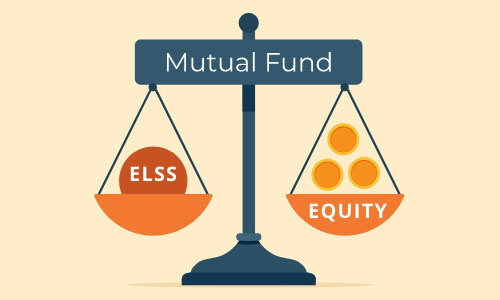 Last Updated : 18 Jun 2026ELSS vs Equity Mutual Funds: Key Differences, Benefits & Which is BetterCompare ELSS vs equity mutual funds. Understand the difference between ELSS and equity mutual fund investments, tax benefits, lock-in periods, liquidity, returns, and which option suits your financial goals better.
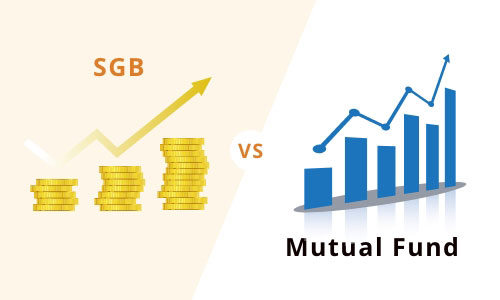 Last Updated : 18 Jun 2026SGB vs Mutual Funds: Which Investment Option is Better for UAE Expats in 2026Compare SGB vs mutual funds in 2026 for UAE expats and residents. Understand sovereign gold bonds vs mutual funds, returns, risks, taxation, liquidity, and which investment option suits your financial goals better.
 Last Updated : 18 Jun 2026Best SBI Investment Plans for 3 Years in 2026 for UAE NRIsDiscover the best SBI investment plans for 3 years in 2026 for UAE NRIs and expats. Compare SBI SIP plans, mutual funds, FDs, debt funds, and hybrid funds for stable returns and long-term growth.
 Last Updated : 04 May 2026Mutual Fund Interest Rates & Returns Explained | Average & High Return Mutual FundsUnderstand mutual fund interest rates and what drives returns. Learn about average mutual fund returns, high return mutual funds, and how NRIs can maximise long-term growth.
 Last Updated : 30 Apr 2026How to Start Investing at 25 with ₹30,000 Salary | Best Investment Plan for 25 Year OldLearn how to start investing at 25 with a ₹30,000 salary. Discover the best investment plan for 25 year old, SIP strategies, and where to invest for long-term growth from the UAE.
 Last Updated : 15 Apr 2026Silver ETF: Best Silver ETFs, Returns & Why UAE Investors Are Buying in 2026Explore what a silver ETF is, best silver ETFs, returns, and why they are outperforming stocks in 2026. Learn how UAE investors can invest in silver ETF stocks for diversification.
 Last Updated : 11 May 202610 Best Mutual Funds in UAE to Invest to Right NowDiscover the top 10 best mutual funds in UAE and Dubai for 2026. Compare performance, features, and find the best mutual fund investment in UAE for your goals.
 Last Updated : 18 Jun 2026Top 10 Best Trading Platforms in UAE, Dubai (2026)Explore the 10 best online trading platforms in the UAE, including eToro, Plus500, and Interactive Brokers. Learn about their features, benefits, and safety measures for both beginners and seasoned traders.
 Last Updated : 25 Jun 202615 Best Short Monthly Investment Plan in UAE with High ReturnsRecurring Deposits (RDs) are among the best monthly investment plans in UAE for those who prefer to save consistently over time.
 Last Updated : 02 Jul 2026Top 10 Best gold Shops to buy gold in Dubai, UAEHere we have listed down the top 10 gold shops to buy gold in the UAE that has a great reputation in the market and sell pure quality of gold.
 Last Updated : 10 Dec 2025 How to Invest AED 10,000 in UAE to Multiply Your Money?Explore the best investment plans in UAE's thriving market to invest your AED 10000 to help you turn your savings into a profitable venture.
- Last Updated : 07 Jul 2026Gold Rate in Abu Dhabi – 22K & 24K Gold Price in AEDCheck gold rate in Abu Dhabi for 18K, 21K, 22K, and 24K gold. View real-time gold prices per gram, historical trends, price charts, and expert insights before buying gold in Abu Dhabi.




 Reviews