Small Cap Mutual Funds - Know Meaning, Advantages & Disadvantages
Mutual funds are among the best options to grow your portfolio through well-thought-out investments. If you can tolerate high risk for high returns, check out small cap mutual funds. With these funds, you can enjoy access to expertly managed, diversified investment portfolios that can spread risk and generate competitive returns.read more

4.7/5
44,602
 Reviews
Central Bank UAE Registration No.: - 123
Insurance Partners
Trusted Customers
Policies Sold

Get AED 1 Million*






Best Investment Plans in UAE
Some of the best Investment quotes in UAE & Dubai are:




What is a Small Cap Mutual Fund?
Small cap mutual funds invest your money in a portfolio that consists mostly of stocks and equity-linked instruments of companies with small market capitalisation — usually ranking outside the top 250 companies in terms of market cap.
| What is a Small Cap Company? |
|---|
|
The definition of a small cap company varies by country. In India, small cap companies are usually those with a market cap of less than INR 5,000 crores (approx. USD 598 million) In the US, this mainly refers to companies with a market cap between USD 300 million and USD 2 billion. |
This category includes organisations like start-ups or small-revenue corporations in their early stages of development. Small-cap mutual funds make investments in companies with high potential for future growth, albeit with high risk as well. These funds have the potential to generate big profits if you can bear relatively higher risk.
Note: During the bullish phases of the market, small cap funds can often outperform mid and large-cap mutual funds.

What are the Advantages of Small Cap Mutual Funds?
Let’s see the benefits of investing in small cap mutual funds -
- Potential for High Growth: As we saw, small cap funds directly invest in companies that are still in the developing and early-stage phases of growth but have the potential for the future. While it certainly brings risk, it also makes these funds an excellent option for high growth.
- Portfolio Diversification: Small cap mutual funds present a great opportunity for you to enhance the mix of your portfolio. This is especially the case if most of your existing investments are low risk. Through such mutual funds, you can invest in multiple companies that are spread out across various industries.
- Lack of Attention by Bigger Institutions So Far: Small-cap stocks get relatively less attention from large institutions and financial advisors, which can make them a great investment option. This can give you the option to invest in companies whose potential is yet to be discovered, which allows for tremendous growth potential over a long time.
Disadvantages of Small Cap Mutual Funds
The most notable downside of small cap funds is their high risk and volatility. As the investment is primarily in growing companies with a small market cap, the risk can be quite high. While many small cap companies have shown returns of over 100% within a year or two, you’ll also find many companies that became bankrupt and lost almost all the investors’ money.
To avoid such pitfalls, it’s advisable to go for the best small cap mutual funds that diversify risk and are run by highly experienced professionals.
Best Small Cap Mutual Funds
In the following table, we have covered some of the top small cap mutual funds in the UAE and around the globe -
|
Small Cap Mutual Fund |
Details About Mutual Fund |
1 yr return |
3 Yr Return |
5 Yr Return |
|---|---|---|---|---|
|
Dunn Capital |
|
+0.05% |
+12.25% |
+6.49% |
|
Ardevora Global Equity funds |
|
+11.75% |
+2.50% |
+7.38% |
|
Fidelity Global Dividend Fund |
|
+11.58% |
+7.07% |
+7.81% |
|
Scottish Mortgage |
|
+6.02% |
+17.70% |
+17.70% |
|
M&G Global Macro Bond Fund |
|
-3.19% |
-2.64% |
-1.15% |
|
Invesco Perpetual Asian Fund |
|
+3.89% |
+1.73% |
+5.85% |
|
Crux European Special Situations Fund |
|
+16.19% |
+3.92% |
+5.91% |
How to Invest in Small Cap Mutual Funds?
Here’s a step-by-step guide to investing in small cap mutual funds -
- Step1: Choose a trustworthy financial service provider like a bank or a wealth management firm that provides mutual fund services.
- Step2: Open an investment account by visiting the website of this chosen firm. You can simply visit the website and fill in the required details to register an account.
- Step3: Once your account is officially registered on the website, go through the investment options. You can use filters to get the list of small cap funds as per your needs.
- Step4: Once you've chosen the best small cap mutual funds for you, start investing by filling in the required details and making the payment.
Note: Mutual funds can be purchased in the form of units. You can either make regular investments via SIPs or put in a lump-sum amount.
Things to Remember Before Investing in Small Cap Mutual Funds
Like every other form of investment, small cap funds also hold certain risks. For this reason, even if you’re a seasoned investor, you must keep certain factors in mind before investing in small cap mutual funds -
1- Risk of Investment
Even with the top small cap mutual funds, the risk is considerably higher than that with mid or large cap funds. So while you can find certain funds that balance these risks and generate positive returns, it’s essential to grasp the inherent risk involved. Furthermore, make sure that you're investing in the right small-cap funds.
2- Cost of Investment
This is usually applied in the form of small cap mutual funds expense ratio, just like any other fund. It refers to expenses related to investment management by a professional. Look for funds that have a lower expense ratio.
3- Return on Investment
Small cap funds are known for their high returns. They can be a great addition to your portfolio — with higher risk, you can ensure that these funds are like buffers for your portfolio, providing great value if things go well in the market. So while past performance is not an indicator of the performance ahead, it’s advisable to check the annual small cap mutual fund returns for the last 3 to 5 years.
4- Goals of Your Investment
When the market falls, the performance of even the best small cap mutual funds might suffer. At the same time, if you stay invested for a long period, you can usually get good returns. So if you want to get the best out of your investment, first understand whether you want to go for a long-term investment or a short one.
5- Fund Manager
Considering the higher risk of small cap funds, it’s advisable to go for the top small cap mutual funds that have competent fund managers with a good past record. Go for a seasoned fund manager who has significant experience in managing funds under this category.
6- Portfolio Turnover
This gives an idea of how many times a small-cap fund has sold its holdings over time. Portfolio turnover gives insight into how a fund is managed — if the turnover is modest, you can conclude that the fund manager is confident in the companies in which they have invested.
FAQs
Q1. What are the benefits of investing in small cap mutual funds?
By investing in small cap mutual funds, you can enjoy the potential for high growth and returns. Additionally, these funds can help you diversify your investment portfolio.
Q2. How can I find the best small cap mutual funds?
To find the best fund for yourself, research and compare different small cap mutual funds based on their performance, fees (expense ratio), and investment strategy.
Q3. How much should I invest in small cap mutual funds?
The amount you should invest in small cap mutual funds depends on your financial goals, risk tolerance, and investment timeline. It's usually advisable to diversify and put your money in funds of different categories to minimise your risk.
Q4. Should I consider investing in small cap mutual funds for long-term growth?
Small cap mutual funds can be a good strategy for long-term growth if you have a higher risk tolerance and are willing to ride out market fluctuations. However, it's important to carefully consider your investment goals, risk tolerance, and other factors before making any decisions.

More From Investment
- Recent Articles
- Popular Articles
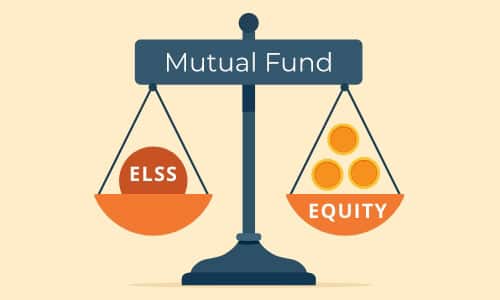 Last Updated : 18 Jun 2026ELSS vs Equity Mutual Funds: Key Differences, Benefits & Which is BetterCompare ELSS vs equity mutual funds. Understand the difference between ELSS and equity mutual fund investments, tax benefits, lock-in periods, liquidity, returns, and which option suits your financial goals better.
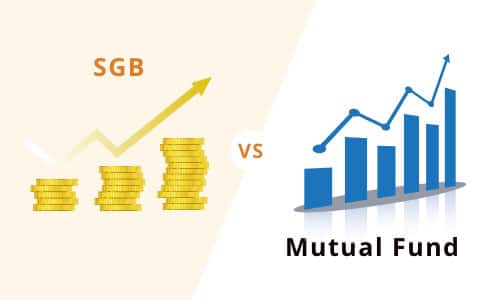 Last Updated : 18 Jun 2026SGB vs Mutual Funds: Which Investment Option is Better for UAE Expats in 2026Compare SGB vs mutual funds in 2026 for UAE expats and residents. Understand sovereign gold bonds vs mutual funds, returns, risks, taxation, liquidity, and which investment option suits your financial goals better.
 Last Updated : 18 Jun 2026Best SBI Investment Plans for 3 Years in 2026 for UAE NRIsDiscover the best SBI investment plans for 3 years in 2026 for UAE NRIs and expats. Compare SBI SIP plans, mutual funds, FDs, debt funds, and hybrid funds for stable returns and long-term growth.
 Last Updated : 04 May 2026Mutual Fund Interest Rates & Returns Explained | Average & High Return Mutual FundsUnderstand mutual fund interest rates and what drives returns. Learn about average mutual fund returns, high return mutual funds, and how NRIs can maximise long-term growth.
 Last Updated : 30 Apr 2026How to Start Investing at 25 with ₹30,000 Salary | Best Investment Plan for 25 Year OldLearn how to start investing at 25 with a ₹30,000 salary. Discover the best investment plan for 25 year old, SIP strategies, and where to invest for long-term growth from the UAE.
 Last Updated : 15 Apr 2026Silver ETF: Best Silver ETFs, Returns & Why UAE Investors Are Buying in 2026Explore what a silver ETF is, best silver ETFs, returns, and why they are outperforming stocks in 2026. Learn how UAE investors can invest in silver ETF stocks for diversification.
 Last Updated : 07 Aug 202610 Best Mutual Funds in UAE to Invest to Right NowDiscover the top 10 best mutual funds in UAE and Dubai for 2026. Compare performance, features, and find the best mutual fund investment in UAE for your goals.
 Last Updated : 08 Sep 2026Top 10 Best Trading Platforms in UAE, Dubai (2026)Explore the 10 best online trading platforms in the UAE, including eToro, Plus500, and Interactive Brokers. Learn about their features, benefits, and safety measures for both beginners and seasoned traders.
 Last Updated : 08 Sep 202615 Best Short Monthly Investment Plan in UAE with High ReturnsRecurring Deposits (RDs) are among the best monthly investment plans in UAE for those who prefer to save consistently over time.
 Last Updated : 02 Jul 2026Top 10 Best gold Shops to buy gold in Dubai, UAEHere we have listed down the top 10 gold shops to buy gold in the UAE that has a great reputation in the market and sell pure quality of gold.
 Last Updated : 10 Dec 2025 How to Invest AED 10,000 in UAE to Multiply Your Money?Explore the best investment plans in UAE's thriving market to invest your AED 10000 to help you turn your savings into a profitable venture.
- Last Updated : 08 Jul 2026Gold Rate in Abu Dhabi – 22K & 24K Gold Price in AEDCheck gold rate in Abu Dhabi for 18K, 21K, 22K, and 24K gold. View real-time gold prices per gram, historical trends, price charts, and expert insights before buying gold in Abu Dhabi.




 Reviews