Exit Load in Mutual Funds
Mutual funds are investment vehicles that gather funds from multiple investors and are pooled together and managed by Asset Management Companies (AMCs). To ensure stability and prevent frequent withdrawals, AMCs impose a small fee called the exit load when investors redeem their mutual fund units before a specified holding period.read more

4.7/5
46,158
 Reviews
Central Bank UAE Registration No.: - 123
Insurance Partners
Trusted Customers
Policies Sold

Get AED 1 Million*



 Aashima Mongia


Best Investment Plans in UAE
Some of the best Investment quotes in UAE & Dubai are:




What is Exit Load in Mutual Funds?
Exit load is a fee charged by AMCs when investors withdraw their mutual fund units within a specified period. It is deducted from the Net Asset Value (NAV) and reduces the redemption proceeds received by the investor. Not all mutual funds in UAE impose exit loads, and the applicable rate and period varies across different funds.
Purpose of Exit Load
Discourages Frequent Trading |
Protects Long-Term Investors |
Maintains Fund Performance |
|---|---|---|
| Prevents investors from frequently buying and selling mutual fund units, ensuring stability in fund management | Reduces the impact of premature withdrawals on investors who stay invested for an extended period | Prevents sudden outflows that can disrupt the fund’s portfolio and affect overall returns |

Types of Exit Load in Mutual Funds
- Contingent Deferred Sales Charge (CDSC): Exit load decreases over time. If units are held beyond a specified period, no exit load applies.
- Fixed Exit Load: Charges remain constant throughout a specified period. For example, a 2% exit load applies regardless of whether the investor redeems in one month or one year.
- Stepped Exit Load: The exit load reduces in stages over time, incentivising long-term investment in UAE.
What is the exit load in mutual funds?
An exit load is a fee charged when investors redeem their investment before a specified period.
Do I need to pay an exit load on SWP withdrawals?
Yes, if withdrawn before the exit load period expires.
What is considered a good exit load?
A lower exit load is preferable for investors.
What does an exit load of 1% mean?
1 exit load in mutual funds meaning 1% redemption amount is deducted as a fee if withdrawn before a specified period.
How can I avoid exit load?
Hold investments for the minimum period specified in the fund scheme to avoid charges.
What is a 2% exit load?
A 2% exit load means an investor pays 2% of the redemption amount as a penalty for early withdrawal.

More From Investment
- Recent Articles
- Popular Articles
- Last Updated : 18 Sep 2026What Is Investment? Meaning, Types & How It WorksWhat is investment? Learn the meaning of investment, how it works, common investment types, benefits, risks and how to get started.
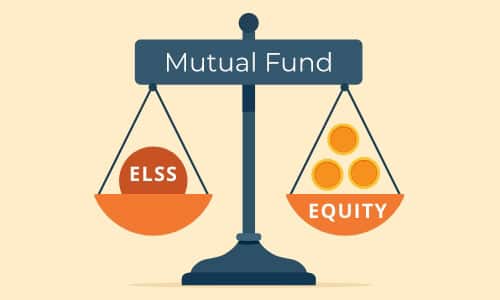 Last Updated : 18 Jun 2026ELSS vs Equity Mutual Funds: Key Differences, Benefits & Which is BetterCompare ELSS vs equity mutual funds. Understand the difference between ELSS and equity mutual fund investments, tax benefits, lock-in periods, liquidity, returns, and which option suits your financial goals better.
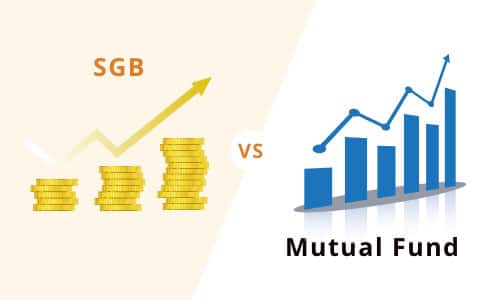 Last Updated : 18 Jun 2026SGB vs Mutual Funds: Which Investment Option is Better for UAE Expats in 2026Compare SGB vs mutual funds in 2026 for UAE expats and residents. Understand sovereign gold bonds vs mutual funds, returns, risks, taxation, liquidity, and which investment option suits your financial goals better.
 Last Updated : 18 Jun 2026Best SBI Investment Plans for 3 Years in 2026 for UAE NRIsDiscover the best SBI investment plans for 3 years in 2026 for UAE NRIs and expats. Compare SBI SIP plans, mutual funds, FDs, debt funds, and hybrid funds for stable returns and long-term growth.
 Last Updated : 04 May 2026Mutual Fund Interest Rates & Returns Explained | Average & High Return Mutual FundsUnderstand mutual fund interest rates and what drives returns. Learn about average mutual fund returns, high return mutual funds, and how NRIs can maximise long-term growth.
 Last Updated : 30 Apr 2026How to Start Investing at 25 with ₹30,000 Salary | Best Investment Plan for 25 Year OldLearn how to start investing at 25 with a ₹30,000 salary. Discover the best investment plan for 25 year old, SIP strategies, and where to invest for long-term growth from the UAE.

 Last Updated : 07 Aug 202610 Best Mutual Funds in UAE to Invest to Right NowDiscover the top 10 best mutual funds in UAE and Dubai for 2026. Compare performance, features, and find the best mutual fund investment in UAE for your goals.
 Last Updated : 08 Sep 2026Top 10 Best Trading Platforms in UAE, Dubai (2026)Explore the 10 best online trading platforms in the UAE, including eToro, Plus500, and Interactive Brokers. Learn about their features, benefits, and safety measures for both beginners and seasoned traders.
 Last Updated : 08 Sep 202615 Best Short Monthly Investment Plan in UAE with High ReturnsRecurring Deposits (RDs) are among the best monthly investment plans in UAE for those who prefer to save consistently over time.
 Last Updated : 13 Oct 2026Top 10 Best gold Shops to buy gold in Dubai, UAEHere we have listed down the top 10 gold shops to buy gold in the UAE that has a great reputation in the market and sell pure quality of gold.
 Last Updated : 10 Dec 2025 How to Invest AED 10,000 in UAE to Multiply Your Money?Explore the best investment plans in UAE's thriving market to invest your AED 10000 to help you turn your savings into a profitable venture.
- Last Updated : 08 Jul 2026Gold Rate in Abu Dhabi – 22K & 24K Gold Price in AEDCheck gold rate in Abu Dhabi for 18K, 21K, 22K, and 24K gold. View real-time gold prices per gram, historical trends, price charts, and expert insights before buying gold in Abu Dhabi.




 Reviews