Can NRIs Invest in Mutual Funds? A Clear Guide for UAE-Based NRIs
For many Non-Resident Indians (NRIs living in the UAE), investing back in India is not just about returns — it’s about staying connected to a fast-growing economy while building long-term wealth in INR. Mutual funds are often the first option considered. But the questions are always the same: Can NRIs invest in mutual funds? Let’s see the answer to that.read more

4.7/5
43,082
 Reviews
Central Bank UAE Registration No.: - 123
Insurance Partners
Trusted Customers
Policies Sold

Get AED 1 Million Returns*


Best Investment Plans in UAE
Some of the best Investment quotes in UAE & Dubai are:




|
Note: For UAE-based NRIs who prefer guidance before investing, platforms like Policybazaar.ae help simplify decision-making. On this platform, you can find educational content, expert insights, and comparisons across investment and financial planning options relevant to expats. |
Mandatory Bank Accounts for NRI Mutual Fund Investments
Mutual fund investments by NRIs must route through Indian bank accounts. You have two choices —
|
NRE Account (Repatriable) |
NRO Account (Non-Repatriable) |
|
|
👉 Key rule: Once a mutual fund folio is linked to an NRE or NRO account, you must continue using the same account type for that folio.
Best Mutual Funds for NRIs to Invest in India (2026)
Here are some widely held, top mutual funds for NRIs commonly considered for diversification, fund management quality, and long-term track records.
|
Fund Name |
AUM (₹ Cr)* |
1-Year Returns (%)* |
3-Year Returns (%)* |
|---|---|---|---|
|
ICICI Prudential Credit Risk Fund |
5939.88 |
9.94 |
9.26 |
|
Nippon India Small Cap Fund |
65,812.16 |
14.31 |
20.30 |
|
Parag Parikh Flexi Cap Fund |
1,33,969.81 |
9.50 |
20.55 |
|
PGIM India Midcap Opportunities Fund |
10,751 |
14.47 |
14.64 |
|
SBI Contra Fund |
48,729 |
13.26 |
19.04 |
|
SBI Small Cap Fund |
34,449.23 |
7.49 |
12.64 |
|
UTI Nifty Index Fund |
26,517.42 |
13.31 |
13.73 |
*For reference only — subject to change
Note: Past performance does not guarantee future returns. Direct mutual fund for NRI selection should align with risk profile, investment horizon, and repatriation goals. Financial comparison platforms like Policybazaar.ae help NRIs evaluate mutual fund options alongside other investment avenues based on individual goals.


How Can NRIs Invest in Mutual Funds?
Step 1: Complete NRI KYC
KYC must be done afresh once you become an NRI, even if you had invested earlier as a resident Indian. Here are the typically required documents —
- Passport (self-attested)
- Visa/residence permit
- Overseas address proof
- PAN card
- FATCA/CRS declaration
- Recent photograph
Some fund houses may ask for in-person verification, which can be done —
- At the Indian embassy
- Via video KYC
- Through a registered intermediary
Step 2: Choose How You Want to Invest
NRIs have two primary options:
Direct / Self-Investment
You can invest directly —
- Through AMC websites
- Via Indian brokers
- Using online investment platforms
This route is suitable if you want direct mutual funds for NRI, which have lower expense ratios.
Through Power of Attorney (PoA)
You may appoint a trusted resident Indian to transact on your behalf. Both the NRI and PoA holder must complete KYC and sign the relevant documents.
Step 3: Select the Right Mutual Fund Category
NRIs can invest in most mutual fund categories, subject to fund house restrictions.
Common options include equity, debt, hybrid, and index funds. If you’re searching for the best mutual funds for NRI investors, selection should depend on —
- Investment horizon
- INR vs foreign currency goals
- Repatriation needs
- Tax efficiency
Can NRIs Continue Existing SIPs?
Yes. SIPs started while you were a resident Indian can continue. However:
- You must update your NRI status with the AMC
- Bank mandate must shift to NRE or NRO
- On redemption, proceeds are credited to your NRO or NRE account after TDS
This answers a common concern: “Can NRIs invest in mutual funds in India?” Yes, continuation is allowed with compliance updates.
Taxation of Mutual Funds for NRIs
A common concern among NRIs is the possibility of double taxation.
However, it’s worth noting that India has signed Double Taxation Avoidance Agreements (DTAA) with several countries to address this issue. If your country of residence has a DTAA with India, you may be eligible to claim tax relief on gains already taxed in India.
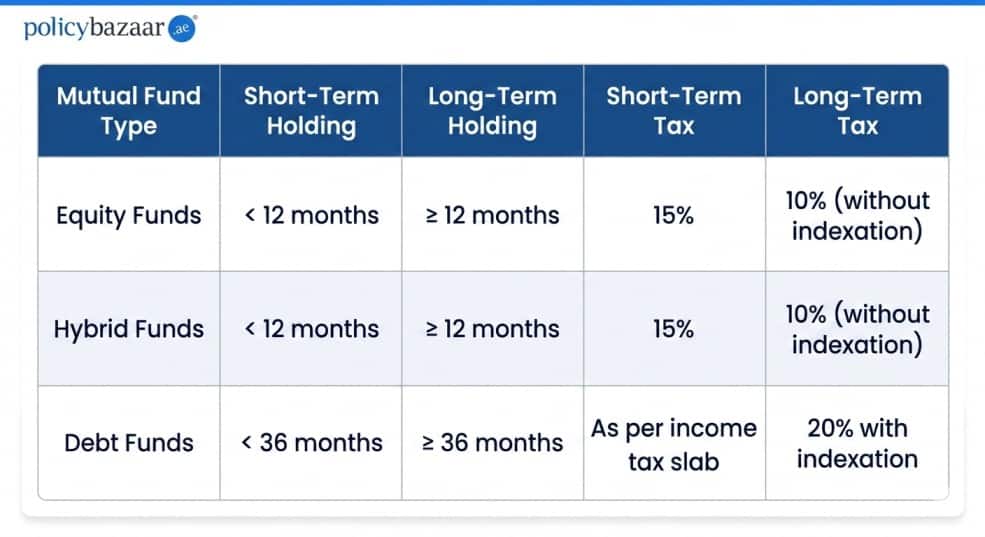
Infographic Source: Gemini
Always review tax implications before selecting the top mutual funds for NRI portfolios.
Repatriation Rules You Must Know
- Investments via NRE account → Fully repatriable
- Investments via NRO account → Repatriable up to USD 1 million per year
- Taxes are deducted before repatriation
- Proper documentation may be required for outward remittance
Restrictions for NRIs from Certain Countries
NRIs residing in the United States and Canada face additional compliance requirements under the Foreign Account Tax Compliance Act (FATCA). Due to the complexity and reporting obligations, many Indian AMCs restrict or limit investments from these regions.
However, some fund houses allow investments subject to additional documentation and offline processes:
- Aditya Birla Sun Life Mutual Fund
- UTI Mutual Fund
- SBI Mutual Fund
- ICICI Prudential Mutual Fund
- Sundaram Mutual Fund
- PPFAS Mutual Fund
- L&T Mutual Fund
US and Canada-based NRIs should confirm eligibility before initiating any investment.
Common Mistakes NRIs Make While Investing
- Not updating residency status
- Using the wrong bank account type
- Ignoring repatriation rules
- Choosing regular funds instead of direct plans
- Overlooking tax deducted at source (TDS)
Avoiding these errors significantly improves outcomes.
To Sum it Up
So, can NRIs invest in mutual funds? Absolutely yes! NRIs can confidently invest in Indian mutual funds by following FEMA rules, completing KYC, and choosing the right account structure.
The key lies in —
- Understanding the tax treatment
- Choosing suitable funds
- Aligning investments with repatriation goals
Also, with reliable financial education platforms like Policybazaar.ae, UAE-based NRIs can align their investments with long-term wealth and repatriation goals.
| Disclaimer: The information above is for general informational purposes only and should not be construed as investment, legal, or tax advice. Readers are advised to consult qualified financial or tax professionals before making investment decisions. The entities involved do not guarantee the accuracy or completeness of the information and shall not be liable for any losses arising from its use. |

FAQs for Top Mutual Funds for NRI
How can an NRI invest in India?
NRIs can invest directly through their NRE or NRO bank accounts. They can also invest via a trusted resident in India by granting them a valid Power of Attorney (PoA).
Are there any restrictions or lock-in periods for NRIs investing in mutual funds in India?
Most open-ended mutual funds have no lock-in period. However, some AMCs restrict investments from NRIs in the US and Canada due to FATCA/CRS rules. ELSS funds, meanwhile, have a mandatory 3-year lock-in.
Why do I need to send physical documents to open an equity account?
Physical documents are required to meet regulatory and compliance requirements set by Indian authorities, especially for identity verification and anti-money laundering checks.
Can NRIs invest in mutual funds in foreign currency?
NRIs can remit money in foreign currency through NRE, NRO, or FCNR accounts. However, the investment is made only after conversion into Indian Rupees (INR).
Do NRIs need a PAN to invest in mutual funds?
Yes, PAN is mandatory for NRIs to invest in Indian mutual funds. This is because it is required for KYC verification and tax reporting.
Can NRIs get tax benefits on mutual fund investments?
Yes, NRIs can claim tax benefits under Section 80C by investing in ELSS funds, subject to applicable limits under Indian income tax laws.
Can a Power of Attorney (PoA) be used for mutual fund transactions?
Yes, NRIs can appoint a PoA holder in India to manage mutual fund investments, including purchases, redemptions, and SIPs, as per AMC guidelines.
Is SIP available for NRIs?
Yes, NRIs, PIOs, and OCIs can invest in mutual funds through SIPs, provided investments comply with FEMA rules and are made via NRE or NRO accounts.
Is a mutual fund a good investment option for NRIs?
Mutual funds help NRIs benefit from India’s economic growth and potential currency appreciation while offering diversification and professional fund management.
Can NRIs invest directly in mutual funds?
Yes, NRIs can invest directly through AMC websites or online platforms using NRE/NRO accounts. Just note that some AMCs may restrict investors from specific countries.
Are dividends earned on mutual funds tax-free for NRIs?
No, dividends are taxable in India in the hands of NRIs. However, tax relief may be available under the applicable Double Taxation Avoidance Agreement (DTAA).


More From Investment
- Recent Articles
- Popular Articles
 Last Updated : 18 Jun 2026ELSS vs Equity Mutual Funds: Key Differences, Benefits & Which is BetterCompare ELSS vs equity mutual funds. Understand the difference between ELSS and equity mutual fund investments, tax benefits, lock-in periods, liquidity, returns, and which option suits your financial goals better.
 Last Updated : 18 Jun 2026SGB vs Mutual Funds: Which Investment Option is Better for UAE Expats in 2026Compare SGB vs mutual funds in 2026 for UAE expats and residents. Understand sovereign gold bonds vs mutual funds, returns, risks, taxation, liquidity, and which investment option suits your financial goals better.
 Last Updated : 18 Jun 2026Best SBI Investment Plans for 3 Years in 2026 for UAE NRIsDiscover the best SBI investment plans for 3 years in 2026 for UAE NRIs and expats. Compare SBI SIP plans, mutual funds, FDs, debt funds, and hybrid funds for stable returns and long-term growth.
 Last Updated : 04 May 2026Mutual Fund Interest Rates & Returns Explained | Average & High Return Mutual FundsUnderstand mutual fund interest rates and what drives returns. Learn about average mutual fund returns, high return mutual funds, and how NRIs can maximise long-term growth.
 Last Updated : 30 Apr 2026How to Start Investing at 25 with ₹30,000 Salary | Best Investment Plan for 25 Year OldLearn how to start investing at 25 with a ₹30,000 salary. Discover the best investment plan for 25 year old, SIP strategies, and where to invest for long-term growth from the UAE.
 Last Updated : 15 Apr 2026Silver ETF: Best Silver ETFs, Returns & Why UAE Investors Are Buying in 2026Explore what a silver ETF is, best silver ETFs, returns, and why they are outperforming stocks in 2026. Learn how UAE investors can invest in silver ETF stocks for diversification.
 Last Updated : 11 May 202610 Best Mutual Funds in UAE to Invest to Right NowDiscover the top 10 best mutual funds in UAE and Dubai for 2026. Compare performance, features, and find the best mutual fund investment in UAE for your goals.
 Last Updated : 18 Jun 2026Top 10 Best Trading Platforms in UAE, Dubai (2026)Explore the 10 best online trading platforms in the UAE, including eToro, Plus500, and Interactive Brokers. Learn about their features, benefits, and safety measures for both beginners and seasoned traders.
 Last Updated : 25 Jun 202615 Best Short Monthly Investment Plan in UAE with High ReturnsRecurring Deposits (RDs) are among the best monthly investment plans in UAE for those who prefer to save consistently over time.
 Last Updated : 02 Jul 2026Top 10 Best gold Shops to buy gold in Dubai, UAEHere we have listed down the top 10 gold shops to buy gold in the UAE that has a great reputation in the market and sell pure quality of gold.
 Last Updated : 10 Dec 2025 How to Invest AED 10,000 in UAE to Multiply Your Money?Explore the best investment plans in UAE's thriving market to invest your AED 10000 to help you turn your savings into a profitable venture.
- Last Updated : 08 Jul 2026Gold Rate in Abu Dhabi – 22K & 24K Gold Price in AEDCheck gold rate in Abu Dhabi for 18K, 21K, 22K, and 24K gold. View real-time gold prices per gram, historical trends, price charts, and expert insights before buying gold in Abu Dhabi.




 Reviews