How Air Quality Affects Your Health & What You Can Do
Nowadays, you may have stepped outside on a hazy morning and felt your eyes sting or throat burn. That’s the impact of air pollution: when harmful gases, smoke, and dust fill the air we breathe. These pollutants quietly affect our lungs, heart, and even mental health. The Air Quality Index (AQI) ...read more



4.6/5
35,368
 Reviews
Trusted Customers
Insurance Partners
Policies Sold

AED 1 million Health cover starting @4/Day


Top Health Insurance Plan in UAE












Every breath we take carries tiny invisible particles that can quietly harm our lungs, heart, and even our mood. In cities like Dubai or Abu Dhabi, where traffic, construction, and sandstorms are common, this problem becomes even bigger. Understanding how these pollutants work and how to protect yourself is the first step toward better health.
Disclaimer: The information on this page is not intended to substitute medical advice. Please consult a qualified healthcare professional for any health concerns or issues.
What is Air Pollution?
Air pollution happens when tiny harmful particles or gases mix with the air we breathe. These can come from —
- Cars and buses that release smoke
- Factories that release gases
- Dust and sandstorms (quite common in the UAE)
- Burning waste or wood
- Volcanoes and wildfires (from nature too!)
When these particles mix in the air, it becomes polluted. This can affect everyone, especially children, older adults, and people with breathing problems like asthma.
What is the Air Quality Index (AQI)?
The Air Quality Index (AQI) is like a report card for the air. It tells us how safe or risky it is to breathe the air. The scale usually goes from 0 to 500. Lower numbers mean cleaner air, while higher numbers mean more polluted air.
Here is a general categorisation of the index —
|
AQI Range |
Category |
What It Means |
|---|---|---|
|
0–50 |
Good |
Air is clean and safe to breathe |
|
51–100 |
Moderate |
Okay for most, but sensitive people may feel a little uneasy |
|
101–150 |
Unhealthy for Sensitive Groups |
Children, elderly, and asthma patients may feel discomfort |
|
151–200 |
Unhealthy |
Everyone may start to feel breathing problems |
|
201–300 |
Very Unhealthy |
Health alert — avoid going outside too long |
|
301–500 |
Hazardous |
Dangerous air — stay indoors |
For example, when the air pollution index in your city shows 440 micrograms per cubic meter, it means the air is extremely unsafe to breathe. On such days, the effects of air pollution are more visible, such as haze, breathing trouble, and fatigue.
Common Causes of Air Pollution in UAE
You might think pollution only comes from factories, but that’s just one part of the story. In the UAE and other parts of the world, there are several daily contributors to poor air quality —
- Vehicle Emissions: Cars, trucks, and buses release carbon dioxide and nitrogen oxides, which make up a large part of city pollution.
- Construction Dust: With rapid urban development, dust and fine particles from building sites stay suspended in the air for hours. This can also worsen the air pollution index.
- Industrial Activity: Power plants, oil refineries, and manufacturing units add gases and tiny particles to the air.
- Natural Factors: Sandstorms and dry weather blow desert dust into cities, reducing visibility and increasing AQI levels.
- Household Sources: Burning incense, cooking fumes, and cleaning sprays also release indoor pollutants that we often ignore.
Effects of Air Pollution on Your Health
The impact of air pollution is not limited to coughing or sneezing. It can extend to multiple organs over time. Here’s how —
1. Your Lungs
This is where the effects of air pollution show up first. Dust and smoke can get stuck deep inside your lungs, causing —
- Coughing or shortness of breath
- Asthma attacks
- Lung infections
- Long-term problems like bronchitis or COPD
2. Your Heart
The impact of air pollution isn’t limited to your lungs. Tiny particles enter your bloodstream and strain your heart, increasing the risk of —
- Heart attacks
- Stroke
- High blood pressure
3. Your Brain
New research shows that people affected by air pollution for years may face problems like —
- Memory loss
- Anxiety or depression
- Lower concentration
4. Pregnancy and Babies
Pregnant women exposed to polluted air may give birth to babies with —
- Low birth weight
- Breathing problems
- Slower brain development
5. Your Skin and Eyes
Ever felt your eyes burn or skin itch during a dusty day? That’s because air pollutants irritate your skin and eyes, causing redness or dryness.
Example
If a child walks to school every day when the AQI is 180 (unhealthy), they may experience frequent coughing or breathing difficulty over time — even if the air and the air pollution index look ‘normal’.
Who is Most Affected by Air Pollution?
Some people are more likely to fall sick when pollution levels rise. These include —
- Children: Their lungs are still developing and they breathe faster
- Elderly: Weakened immunity and chronic diseases make them more sensitive
- Pregnant Women: Pollution can affect fetal growth and brain development
- Low-income Communities: Often live closer to industrial or high-traffic areas
- People with Pre-existing Conditions: Those with asthma, diabetes, or heart problems face greater risk
Impact of Air Pollution on Daily Life
Air pollution doesn’t just affect your health. It also changes how we live every day.
Outdoor fun gets limited
When the Air Quality Index (AQI) rises, outdoor activities like jogging, cycling, or evening walks can become risky, causing fatigue or shortness of breath. That’s why many people skip their workouts or park visits on high-AQI days.
Travel plans change
Air quality now plays a role in travel planning too. People often check a city’s AQI before booking vacations, especially families with children or elders. Poor air quality can mean fewer sightseeing days, headaches, or even respiratory discomfort, not exactly how anyone wants to spend a holiday.
Workplaces are affected
Outdoor workers — from delivery riders to construction staff — face the harshest impact. During sandstorms or high pollution alerts, they need protective masks and shorter shifts. Even indoor workers may experience tiredness or headaches due to poor ventilation and dust infiltration in offices.
Home air gets polluted too
Sand, traffic dust, and construction particles often find their way indoors, especially in big cities like Dubai, Sharjah, or Abu Dhabi. So even if the air pollution index reading is normal out there, you may face issues. Over time, this worsens allergies, triggers asthma, and affects overall air freshness inside your home.
How to Improve Air Quality at Home in UAE?
Since people in the UAE spend more than 90% of their time indoors during hot months, indoor air quality also matters a lot. Here’s what you can do —
1️⃣ Keep Your Home Clean
Regular cleaning can dramatically reduce dust and allergens.
- Wipe surfaces daily with a damp cloth
- Vacuum carpets and sofas using a HEPA filter vacuum to trap fine dust
- Wash curtains, bed sheets, and cushion covers weekly — they collect invisible dust mites and pollutants
2️⃣ Use an Air Purifier
An air purifier is your best defence during sandstorms or high-pollution days.
- Choose a purifier suitable for your room size (measured in sq. ft)
- Clean or replace filters regularly for maximum efficiency
This helps remove dust, pet dander, and even bacteria floating in the air.
3️⃣ Control Humidity
Too much humidity encourages mould, mildew, and dust mites. Here’s how you can tackle them —
- Use a dehumidifier to maintain indoor humidity between 40–50%
- Check for leaks or damp corners — they make air quality worse
4️⃣ Reduce Chemicals
Many household products, like cleaning sprays, candles, and air fresheners, release Volatile Organic Compounds (VOCs). These particles can irritate your lungs.
- Swap to natural cleaning alternatives like vinegar, lemon juice, or baking soda
- Choose fragrance-free or low-VOC household products
5️⃣ Add Air-Purifying Plants
Nature’s air filters can make a big difference. Plants like snake plant, peace lily, and spider plant absorb toxins and increase oxygen levels indoors, adding both freshness and beauty to your space.
How to Check Air Quality in the UAE?
The UAE has its own National Air Quality Platform, powered by AI-based Air Quality Index (AQI) technology. It collects data from 31 monitoring stations across the country and shows —
- Current AQI levels
- Pollution forecasts for 3 days ahead
- Health recommendations
You can check real-time air pollution updates on the National Center of Meteorology (NCM) website or apps like Plume Labs and AirVisual.
How to Protect Yourself from Poor Air Quality?
Even when you can’t control the air outside, you can take steps to protect your health and minimise the effects of air pollution —
✅Check the AQI Before Going Out
If it’s marked ‘unhealthy’ or ‘very unhealthy’, it’s best to stay indoors and avoid outdoor workouts.
😷 Wear a Mask (N95 or N99)
These masks are designed to filter out fine particles like PM2.5, smoke, and dust — especially important during sandstorms or traffic hours.
🪟 Keep Windows Closed During High Pollution
Seal your home during peak traffic times or sandstorms. This can stop dust from entering and save you from getting affected by air pollution.
💧 Stay Hydrated and Eat Right
Pollution increases oxidative stress in your body. Combat it by drinking water regularly and eating antioxidant-rich foods like berries, oranges, spinach, and nuts.
🧘 Exercise Indoors
Switch to yoga, stretching, or treadmill workouts indoors. It keeps you fit without exposing your lungs to harmful air.
Why is it Important to Improve Air Quality?
When cities act to reduce the impact of air pollution, everyone benefits —
- Asthma and lung problems in children go down
- Fewer people die from heart or breathing diseases
- Mental health improves
- The planet becomes healthier for everyone
For example, after some coal plants shut down in the U.S., nearby areas saw fewer premature births and fewer hospital visits. This shows that cleaner air literally saves lives.
Key Takeaways
- Air pollution in the UAE mainly comes from vehicles, construction, and sandstorms
- AQI works as an air pollution index that shows how safe or unsafe the air is to breathe
- Long-term exposure can harm your lungs, heart, and overall health
- You can protect yourself by checking AQI levels, using purifiers, and wearing masks
- The UAE government is taking major steps toward sustainable air quality improvement
Final Thoughts
The impact of air pollution touches every part of our lives, from our lungs to how we plan our days. Knowing the air pollution index helps us act smarter: staying indoors when needed, using air purifiers, and embracing sustainable habits.
Because the truth is simple: The cleaner the air, the healthier you are.
What organs are impacted by air pollution?
Almost every organ in the body is affected by air pollution. Tiny pollutants can enter the lungs, move into the bloodstream, and spread throughout the body. This can cause inflammation and tissue damage, and even increase the risk of cancer.
What diseases are associated with exposure to air pollution?
Air pollution increases the risk of stroke, heart disease, chronic obstructive pulmonary disease (COPD), lung cancer, and pneumonia. It’s also linked to low birth weight, diabetes, cognitive decline, and other long-term health issues.
What are some of the most important air pollutants leading to disease?
Key pollutants include particulate matter (PM), carbon monoxide (CO), sulphur dioxide (SO₂), ozone (O₃), and nitrogen dioxide (NO₂). Fine particulate matter (PM2.5) is especially dangerous as it can penetrate deep into the lungs and bloodstream, damaging organs and cells.
How long does someone need to be exposed to air pollution to harm their health?
Both short-term and long-term exposure can harm your health. Short exposure can cause asthma attacks and respiratory infections, while long-term exposure increases risks of chronic diseases like stroke, heart disease, and cancer.
Are some populations more likely to be at higher risk for disease from air pollution?
Yes. Children, the elderly, and pregnant women are more vulnerable. People with existing health conditions or poor nutrition are also more likely to suffer serious effects from air pollution.
Does exposure to air pollution during pregnancy impact the health of the fetus?
Yes. Exposure to polluted air during pregnancy can lead to low birth weight, premature delivery, and smaller babies. Studies also suggest a possible link to developmental and neurological issues in children.
Are the health risks the same between ambient air pollution and household air pollution?
Both types pose serious health risks, as they share common pollutants like fine particulate matter. However, household air pollution also brings extra dangers such as burns, poisoning from fuels, and injuries during fuel collection.
What is the link between desert dust, air pollution, and health?
Desert dust increases particulate matter in the air, worsening air pollution levels. These dust storms can trigger respiratory problems and pose major health and environmental risks, often spreading across countries and regions.
Health Insurance Popular Searches
Medical Insurance | Dubai Health Insurance Cost | Health Insurance for Kids | Health Insurance Plans for Family | Dental Insurance | Individual Health Insurance | Health Insurance Abu Dhabi | Medical Insurance Sharjah | How to check Medical Insurance status with Emirates ID | Health Insurance for Parents | Maternity Insurance UAE



.png)




More From Health Insurance
- Recent Articles
- Popular Articles
 Last Updated : 13 Mar 2026Understanding the Concept of Room Rent Limit under Health InsuranceRoom Rent Limit - Learn about health insurance room rent limits and how they could affect your budget- strategies for mitigating the impact of these limits.
.jpg) Last Updated : 20 Feb 2026How To Update Emirates ID In Etisalat?Knowing how to update Emirates ID in Etisalat helps you keep your telecom services active and compliant with UAE regulations.
Last Updated : 20 Feb 2026How To Update Emirates ID In Etisalat?Knowing how to update Emirates ID in Etisalat helps you keep your telecom services active and compliant with UAE regulations. Last Updated : 16 Feb 2026Emirates ID Authority Sharjah- Services, Locations, and Working HoursThe Emirates ID Authority (Sharjah) Emirates ID Centre in Sharjah provides services such as biometrics registration and identification for UAE Nationals; it also serves as a home base for the majority of UAE residents.
 Last Updated : 16 Feb 2026Best Health Insurance for Surgery in UAE 2026Health insurance pays for the medical expenses associated with a surgical procedure. This includes hospital admit, surgeon fees, diagnostic tests and post-surgery care.
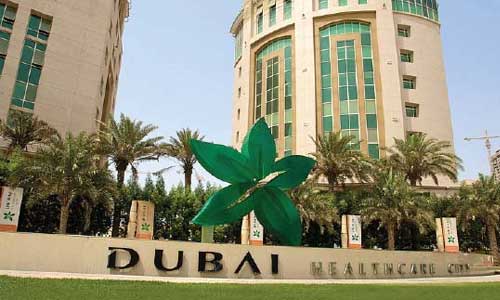 Last Updated : 10 Feb 2026Dubai Healthcare CityDubai Healthcare City (DHCC) is a leading medical free zone in Dubai, offering world-class hospitals, clinics, wellness centres, and healthcare services.
 Last Updated : 30 Jan 2026Emirates ID Tracking – Track Your Emirates ID CardTrack your Emirates ID status online in the UAE. Learn how to check application status, processing stages, delivery details online in the UAE.
 Last Updated : 10 Feb 2026How to Check Medical Insurance Status with Emirates ID?Emiratis will now be able to use their Emirates ID cards not only to go through immigration gates at the airport but to avail of medical services in the UAE.
 Last Updated : 28 Jan 2026Best Health Insurance Companies in Dubai, UAE 2026Find the Top 10+ Health Insurance Companies in Dubai, UAE Offering Comprehensive Health Insurance Coverage and Exceptional Services at Affordable Prices.
 Last Updated : 27 Nov 2025How to Check the Status of Your Health Insurance Online?The easiest way to get familiar with your plan details or check the active status is to do it online. Let’s figure out how to check if your health insurance plan is active online.
 Last Updated : 11 Feb 2026Can You Buy Health Insurance for New Born Baby in UAE?Don't know whether you can buy medical insurance for new born baby in UAE? In this article we’ll share everything you need to know about health insurance for newborn baby.
 Last Updated : 08 Jan 2026Dental Insurance UAE: Dental Insurance Types, Coverage & BenefitsDental Insurance UAE: Know All about Dental Insurance, Types, Coverage & Benefits. Dental Insurance Covering Most of the Dental Treatments, You can Drop off Your Worries About Costly Therapies.
 Last Updated : 27 Nov 2025Where Can I Get Medical Help Without Having Health Insurance in UAE?Not everyone in the UAE can afford to buy a health insurance policy to avail of quality medical care benefits. To help out such people, we have listed here a few places and ways of getting medical help.