Burnout vs Stress: Signs You Shouldn’t Ignore
In the present-day corporate environment and busy work schedule, we often tend to hear about workplace stress and workplace burnout. After all, long working hours and constant interaction with the digital world are making us experience high levels of stress. While stress is often brushed off as a ...read more



4.6/5
35,368
 Reviews
Trusted Customers
Insurance Partners
Policies Sold

AED 1 million Health cover starting @4/Day


Top Health Insurance Plan in UAE











Understanding the difference between burnout and stress is important. Moreover, ignoring early warning signs can affect your productivity at work, relationships, and, of course, long-term well-being. Here, we will discuss the distinction between these two conditions, their signs, causes, and ways to manage stress during work.
Disclaimer: The page is for information only and does not constitute medical advice. For further queries, please consult a qualified healthcare professional.
Stress v/s Burnout — What’s the Difference?
Many of us use the words ‘stress’ and ‘burnout’ interchangeably. However, they are not the same. Stress is a short-term response to pressure, while burnout is the result of prolonged and unmanaged stress. With rising stressors at work, we unknowingly find ourselves stuck in a cycle of overworking and emotional exhaustion.
Whether you’re dealing with constant deadlines, unrealistic work goals, or a lack of work-life balance, recognising the difference between stress and burnout can help you take timely action.

What is Burnout?
Burnout is primarily defined as chronic physical, emotional, and mental exhaustion. This is mainly caused by prolonged exposure to workplace stress. Unlike regular stress, burnout doesn’t get better with short breaks or time off. This health condition develops slowly over time. Further, it becomes difficult for you to identify until it starts affecting your daily functioning.
Workplace burnout is prevalent in high-pressure roles. It can often happen where you feel overworked, undervalued, or emotionally drained. In the future, this can lead to decreased performance, detachment from work, and even serious health concerns.
What are the 3 Core Dimensions of Burnout?
Here are the three major symptoms of burnout —
Emotional Exhaustion
During this phase, you may feel drained out, overwhelmed, and even face difficulty with daily responsibilities. Even small tasks start to feel tiring and heavy.
Depersonalisation or Cynicism
This term is used to describe a sense of detachment from work and colleagues. At this time, you may feel emotionally numb or irritable.
Reduced Personal Accomplishment
The third symptom is when you feel inefficient and have self-doubt. This is usually accompanied by the feeling that your work has no value.
Check Yourself: Signs of Burnout
Physical Signs
- Chronic fatigue that doesn’t have any impact even after rest
- Frequent muscle pain or/ and headache
- Sleeplessness
- Frequent illness and weak immunity
Mental and Emotional Signs
- Feeling helpless or trapped
- Loss of motivation and determination
- Increased anxiety and tiredness
- Emotional numbness or detachment
What is Stress?
Stress is the body’s natural response to pressure or demand. Stress at work generally happens due to excessive workload, strict deadlines, and performance expectations. However, it lasts for a short time and may even improve your productivity at work due to increased focus and energy.
On the contrary, if stress during work becomes constant and unmanaged, it negatively affects health and productivity.
3 Core Elements of Stress
Physical Stress
When you go through physical stress, physical reactions such as increased heart rate, muscle tension, or fatigue happen.
Emotional Stress
Emotional draining includes constant tension, frustration, anxiety, or restlessness.
Cognitive Stress
Cognitive stress means a lack of concentration and decision-making, generally resulting in mental overload.
Check Yourself: Signs of Stress
Physical Signs
- Stomach issues or frequent headaches
- Rapid increase in heartbeat
- Muscle tension
- Changes in your daily appetite
Mental and Emotional Signs
- Constant worrying
- Difficulty concentrating
- Irritability or mood swings
- Feeling overwhelmed
Difference Between Burnout and Stress
It’s crucial to understand whether a person is going through a stressful phase or having burnout. The table below provides you with the major differences between burnout and stress —
|
Factors |
Burnout |
Stress |
|
Duration |
Short-term |
Long-term |
|
Energy Levels |
Overactive |
Emotionally Drained |
|
Mental State |
Anxious and Tense |
Hopeless and Detached |
|
Recovery |
Improves with Rest |
Requires Deeper Intervention/ Doctor Consultation |
In simple terms, stress is about too much pressure. Burnout, meanwhile, is about feeling empty and exhausted with nothing left to give.
Workplace Stress and Burnout in the Workplace
Workplace stress has become common nowadays. However, it is generally manageable with the right strategies. But when stress becomes a long-term health condition due to repeated stressors at work, it can turn into workplace burnout.
Work environments that lack focus on employees’ mental health, recognition, and flexibility usually contribute to both stress and burnout.
Common Signs of Stress at Work
- Feeling pressured throughout the day
- Decreased satisfaction at the workplace
- Strained workplace relationships
These signs indicate that stress and work are becoming difficult to manage and need immediate attention.
How to Deal With Stress During Work?
Managing stress during work requires consistent effort and minor lifestyle changes. Here are 10 effective strategies that you may follow to improve your health:
- Prioritise Your Daily Work Tasks: Break your regular work into manageable tasks and focus on what matters the most.
- Set Boundaries: It is advisable to avoid checking emails or messages outside work hours whenever possible, unless it is crucial.
- Take Regular Breaks: Irrespective of your hectic schedule, ensure to take short breaks. These can significantly reduce mental stress and enhance your focus.
- Practice Mindfulness: Regular meditation can help calm your nervous system.
- Communicate Clearly: Discuss workload concerns with managers or teammates if your work is taking a toll on your mental health.
- Maintain Physical Activity: Regular exercise or cardio of at least 45 minutes helps regulate stress hormones and boosts mood.
- Stay Hydrated and Eat Well: Taking proper nutrients, maintaining a balanced diet, and drinking enough water are the keys to maintaining your stress levels everyday.
- Avoid Multitasking: It is often recommended to not burden yourself with multiple chores at once. By focusing on one task at a time, you can reduce cognitive overload.
- Seek Social Support: Talking to colleagues, friends, or mentors you trust can ease emotional pressure.
- Use Leave Effectively: Taking time off from your work helps reset mental and emotional balance.
When to Seek Medical Assistance for Burnout?
Unattended stress or burnout can worsen your mental and physical health. It is important to evaluate yourself and your daily activities to understand the intensity of your health condition. If it remains for a long time, make sure to seek professional or medical help.
Here are some symptoms indicating that you should take an expert’s consultation–
- Stress symptoms remain for weeks
- Burnout affects daily functioning
- You experience panic attacks or severe anxiety
- Sleep problems or physical symptoms worsen
- You feel emotionally numb or hopeless
Keep in mind that early intervention can prevent long-term mental health complications and help you recover from workplace burnout.
In a Nutshell
Stress and burnout may appear similar, but their impact and solutions are quite different. Stress at work is manageable if diagnosed early, but ignoring chronic stress may lead to workplace burnout. By detecting early warning signs, addressing the cause of workplace stress, and adopting a healthy lifestyle, you can protect your mental well-being and maintain work-life balance.
Remember, managing stress and work effectively results in long-term good health and career growth.
Is workplace stress normal?
Yes, some level of workplace stress is normal. However, there is a certain limit. If you constantly feel overwhelmed, tired, and restless for days, don’t ignore it. This is because it may be a sign of burnout, which is difficult to manage.
Can stress turn into burnout?
Yes, definitely. Prolonged unmanaged stress, if not treated well, can gradually develop into workplace burnout.
How long does burnout recovery take?
The duration of burnout recovery varies from one person to another. Just focus on some of the general ways to cure, which are lifestyle changes, workplace adjustments, and (sometimes) professional support.
Can a job cause burnout even if I like my work?
Absolutely. At times, many among us may overcommit to work. However, your brain may take time to process everything. So even if you’re too passionate about your work and overload yourself with multiple tasks, it may lead to burnout.
Is burnout considered a medical condition?
As per the World Health Organisation (WHO), burnout is an occupational phenomenon and not a medical disease. However, if left untreated, it can lead to serious health issues.
Health Insurance Popular Searches
Medical Insurance Dubai | Dubai Health Insurance Prices | Health Insurance for Kids | Health Insurance Plans for Family | Dental Insurance | Individual Health Insurance | Health Insurance Abu Dhabi | Medical Insurance Sharjah | How to check Medical Insurance status with Emirates ID | Health Insurance for Parents | Maternity Insurance UAE




.png)




Mousree Das

More From Health Insurance
- Recent Articles
- Popular Articles
.jpg) Last Updated : 20 Feb 2026How To Update Emirates ID In Etisalat?Knowing how to update Emirates ID in Etisalat helps you keep your telecom services active and compliant with UAE regulations.
Last Updated : 20 Feb 2026How To Update Emirates ID In Etisalat?Knowing how to update Emirates ID in Etisalat helps you keep your telecom services active and compliant with UAE regulations.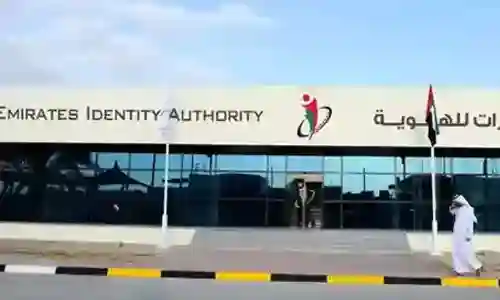 Last Updated : 16 Feb 2026Emirates ID Authority Sharjah- Services, Locations, and Working HoursThe Emirates ID Authority (Sharjah) Emirates ID Centre in Sharjah provides services such as biometrics registration and identification for UAE Nationals; it also serves as a home base for the majority of UAE residents.
 Last Updated : 16 Feb 2026Best Health Insurance for Surgery in UAE 2026Health insurance pays for the medical expenses associated with a surgical procedure. This includes hospital admit, surgeon fees, diagnostic tests and post-surgery care.
 Last Updated : 10 Feb 2026Dubai Healthcare CityDubai Healthcare City (DHCC) is a leading medical free zone in Dubai, offering world-class hospitals, clinics, wellness centres, and healthcare services.
 Last Updated : 30 Jan 2026Emirates ID Tracking – Track Your Emirates ID CardTrack your Emirates ID status online in the UAE. Learn how to check application status, processing stages, delivery details online in the UAE.
 Last Updated : 29 Jan 2026Is the Nipah Virus Outbreak a Concern for UAE Travellers?Should UAE Travellers be concerned about the new Nipah Virus Outbreak? Read the latest health updates, travel precautions, and expert advice for safe travel amid regional screening and low risk.
 Last Updated : 28 Jan 2026Best Health Insurance Companies in Dubai, UAE 2026Find the Top 10+ Health Insurance Companies in Dubai, UAE Offering Comprehensive Health Insurance Coverage and Exceptional Services at Affordable Prices.
 Last Updated : 10 Feb 2026How to Check Medical Insurance Status with Emirates ID?Emiratis will now be able to use their Emirates ID cards not only to go through immigration gates at the airport but to avail of medical services in the UAE.
 Last Updated : 03 Jan 2025Does Health Insurance Cover Chronic ConditionsIt is very important to get health insurance plans that offer protection against chronic conditions. Read on to know more
 Last Updated : 11 Feb 2026Can You Buy Health Insurance for New Born Baby in UAE?Don't know whether you can buy medical insurance for new born baby in UAE? In this article we’ll share everything you need to know about health insurance for newborn baby.
 Last Updated : 16 Sep 2025ISAHD (Insurance System for Advancing Healthcare in Dubai)Redefining Health Care is essential for you and your family if you are working in Dubai. Get comprehensive health insurance coverage for you and your loved ones.
 Last Updated : 08 Jan 2026Dental Insurance UAE: Dental Insurance Types, Coverage & BenefitsDental Insurance UAE: Know All about Dental Insurance, Types, Coverage & Benefits. Dental Insurance Covering Most of the Dental Treatments, You can Drop off Your Worries About Costly Therapies.