
Home Insurance starting at AED 2/day


4.6/5
35,368
 Reviews
Trusted Customers
Insurance Partners
Policies Sold


Property Damage from Heavy Rain in Dubai: Who Pays for Repairs - Landlord or Tenant?
Dubai has faced massive thunderstorms and heavy rain, triggering severe flooding in many regions. This unexpected, intense rainfall has exposed a growing concern for renters — property damage caused by water intrusion. From flooded apartments to leaking ceilings, residents are facing unexpected repair costs. But when rain damages a rented home in Dubai, the big question remains: is it the landlord’s responsibility or the tenant’s?
What Does UAE Law Say About Rain Damage?
In cities like Dubai, Abu Dhabi, and Sharjah, the law clearly puts the main responsibility on the landlord when it comes to property maintenance. That means your landlord is legally expected to:
- Keep the home safe and livable
- Handle structural issues
- Fix damage caused by external factors — like heavy rain
Unless your tenancy contract says otherwise, this responsibility doesn’t shift.
So, how does this work in the current situation? If the storm hits the rented property and you suddenly notice a leaking ceiling, cracked walls, or water seeping in through the structure, this isn’t your bill to pay. It’s the landlord’s job to fix it and bear the cost.

Does a Tenant Have Any Responsibilities?
While landlords are obligated to repair and cover the cost of rain damage to leased property, tenants are still liable in certain situations.
A tenant may have to pay if:
- Windows or doors were left open during rainfall
- Damage happened due to negligence or misuse
- Minor issues were ignored and escalated
All in all, tenant responsibility is based on their actions — not the weather or rain damage itself.
What About Minor Repairs?
Dubai tenancy law often distinguishes between major and minor repairs:
- Major repairs (structural/weather-related): Landlord
- Minor repairs (day-to-day upkeep): Tenant
However, this can vary depending on what’s written in your tenancy contract. Some agreements shift minor repair costs to tenants up to a certain limit, such as AED 500.
Can Tenants Claim Reimbursement for Repairs?
Yes, if you’ve paid for repairs that were actually the landlord’s responsibility, you will get reimbursed.
Under Article 767(1) of the Civil Code, tenants are protected when the landlord fails to carry out necessary maintenance. If urgent repairs are required and the landlord doesn’t act, you have the right to step in, fix the issue, and claim the cost back.
What Should Tenants Do if Rainwater Damage Occurs?
If your home suffers rain damage, acting quickly (and correctly) is essential. Here are the easy steps you should take:
- Document Everything- Take clear photos and videos of the damage right away. Capture timestamps and show the full extent of the issue.
- Notify Your Landlord in Writing- Send an email or formal notice explaining the damage and requesting repairs. Providing written notice is crucial to maintain a record.
- Review Your Tenancy Contract- Look for clauses related to maintenance responsibilities, repair limits, and force majeure events.
- Keep All Receipts- If you handle emergency repairs yourself, save every invoice and bill—you’ll need them for reimbursement.
- Escalate If Needed- If the landlord doesn’t respond or refuses to cooperate, file a case with the Rental Dispute Settlement Centre or the relevant authority in your emirate.
What If the Landlord Refuses to Pay?If your tenancy contract doesn’t clearly assign maintenance responsibility, and your landlord still refuses to repair or reimburse, you can escalate the matter. In Dubai, you can approach the Rental Dispute Settlement Centre (RDC). Similar authorities exist in Abu Dhabi and Sharjah. ✍️ Courts have ruled that if tenants don’t raise the issue through the proper legal channels, they may lose their right to claim compensation. |

Why is it Important to Check Your Tenancy Contract in Dubai?
Before claiming for rain damage, it's crucial to check your tenancy contract, especially in Dubai, as it can override general rules.
You must look for clauses like:
- Maintenance cost limits (tenant pays up to AED 500–1,000)
- Emergency repair responsibilities
- Service and upkeep terms
Even if the law favours tenants, your contract may shift certain costs to you.
Why Should You Consider Tenant Insurance?
Many renters in Dubai assume that if something goes wrong, the landlord will cover all the losses. In reality, while the landlord is responsible for repairing the property, your personal belongings are not included. If rain damages your furniture, electronics, or valuables, the financial burden falls on you.
This is where tenant insurance becomes important. It helps cover the cost of damaged belongings and, in some cases, even provides for temporary accommodation if your home becomes uninhabitable.
Recent heavy rains across the UAE have shown how quickly water damage can escalate. Without insurance, replacing essential items can be a significant expense—making it important to have the right protection in place.
How to Protect Your Home from Rain Damage?
After the 2024 floods, UAE residents learned a tough but important lesson — waiting for rain to act simply doesn’t work. Now, people are preparing in advance, following simple steps to protect their homes and avoid last-minute damage.
- Blocking entry points early- Sandbags are placed at doors, parking areas, and low spots to stop water before it enters.
- Using plastic sheets and covers- Tarpaulin and plastic covers help shield doors, windows, and valuables from seepage.
- Sealing every small gap- Cracks around doors, drains, and walls are being sealed to prevent hidden water entry.
- Keeping cleanup tools ready- Pumps, mops, and buckets are kept handy for quick water removal.
- Protecting cars and outdoor items
Vehicles and outdoor furniture are covered or moved to safer spots before heavy rain.
Don’t wait for the next downpour– protect your home and belongings with the right home insurance in the UAE.

- Latest News & Update
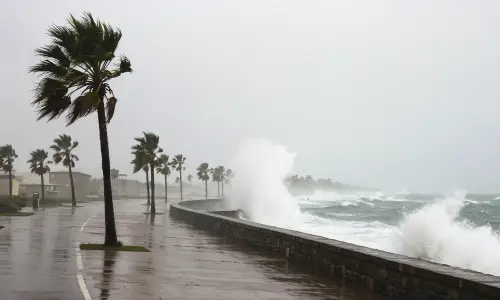 Last Updated : 31 Mar 2026Heavy Rain and Strong Wind in the UAE: How Can You Protect Your Home?Heavy rain and strong winds in the UAE? Learn how to protect your home, avoid damage, and stay prepared with expert safety tips.
 Last Updated : 02 Jul 2025Home Insurance Just Got Smarter — Now It Covers Cyber Threats Too!Protect your home and digital life with our innovative home insurance that now includes coverage against cyber threats. Get smarter protection today!
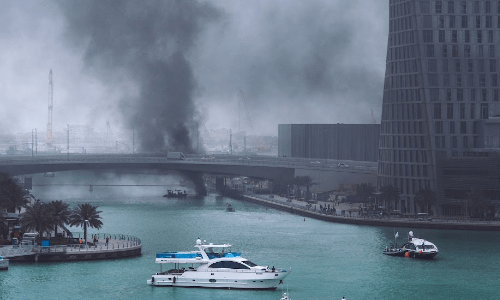 Last Updated : 25 Jun 2025Dubai Marina Fire: Fire Breaks Out at Marina Pinnacle Tower in Dubai MarinaFire erupts at Marina Pinnacle Tower in Dubai Marina. Get the latest information on the incident and the ongoing response efforts to ensure safety.
 Last Updated : 12 Jun 2025Overcrowded Homes in Abu Dhabi Could Cost You Dh1 MillionOvercrowded homes in Abu Dhabi may cost you Dh1 million. Explore key information and tips to navigate this pressing housing issue effectively.
 Last Updated : 03 Jun 2025Sharjah, UAE — A Towering Tragedy That’s Now a WarningA tragic high-rise fire in Sharjah leaves five dead, raising urgent questions about safety. Discover why home insurance in the UAE is now more vital than ever.